
A furnace is one of the most important systems in any Rhode Island home, especially during long and cold winters. Understanding how long a furnace lasts helps homeowners make smart decisions about maintenance, repairs, and replacement.
While many furnaces operate reliably for years, all heating systems have a limited lifespan. Their longevity depends on furnace type, maintenance quality, and overall usage.
This guide takes you through how long you can expect your furnace to last, the signs of aging you should not ignore, and the steps you can take to extend the life of your home heating system.
What Is the Average Lifespan of a Furnace?
The average furnace lifespan varies depending on the type of heating system installed and how well it has been maintained over the years. Most gas furnaces last between 15 and 20 years, while electric furnaces may operate for 20 to 30 years because they experience less wear and tear.
Oil furnaces, which are very common in Rhode Island households, typically run for 15 to 25 years when serviced regularly. Propane furnaces also offer a reliable lifespan of 15 to 20 years, depending on usage.
These ranges generally apply to heating systems that are regularly cleaned, have their filters replaced, and receive annual tune ups, while also following guidance like Best winter thermostat settings to support efficient operation. Furnaces that are poorly maintained, particularly older units, tend to break down much sooner and often need replacement earlier than expected.
General lifespan expectations:
- Gas furnace: 15-20 years
- Electric furnace: 20-30 years
- Oil furnace: 15-25 years
- Propane furnace: 15-20 years
Factors That Influence How Long a Furnace Lasts
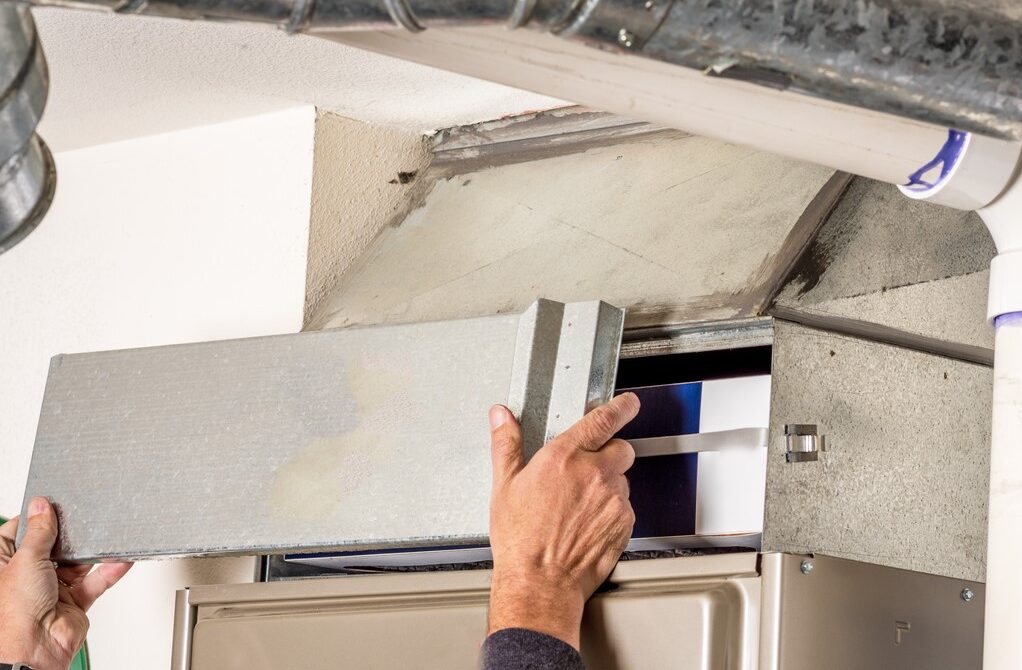
Several factors play an important role in determining how long a furnace lasts, and understanding these can help homeowners take better care of their systems. One major factor is the frequency of maintenance.
A furnace that receives annual professional checkups tends to perform better and lasts longer because small issues are caught early. Another key factor is filter replacement since clogged filters restrict airflow, forcing the blower motor and heat exchanger to work harder.
Installation quality is also critical. A poorly installed furnace may struggle with airflow, efficiency, and proper heating distribution throughout the home.
Indoor humidity and usage levels matter as well. Rhode Island winters require longer furnace cycles, which naturally increases wear over time. Homes with high humidity levels may also expose internal furnace components to corrosion.
By staying consistent with care and routine inspections from trusted HVAC professionals such as Acorn Oil, homeowners can significantly extend furnace life.
Key factors that affect lifespan:
- Lack of maintenance
- Dirty or clogged filters
- Incorrect installation
- Heavy winter usage
- Poor indoor humidity control
Signs Your Furnace Is Nearing the End of Its Life
A furnace rarely stops working without showing warning signs, and knowing these signs early can help you avoid sudden breakdowns in the middle of winter.
One of the first indications is a steady rise in heating bills even when your usage stays the same. This usually means your furnace is losing efficiency. Another common sign is uneven heating, where some rooms feel warm while others remain cold.
Frequent repairs are also a strong indicator that your furnace is wearing out, especially if you have needed multiple service calls in a single winter.
Other symptoms include loud noises such as banging or rattling, which can point to worn-out components or a failing blower motor. A yellow burner flame instead of a clean blue flame may signal combustion issues or carbon monoxide risks.
Dust buildup around the house and declining indoor air quality can sometimes point to an aging or malfunctioning furnace. If your system is over 15 years old and showing these signs, it may be wise to plan for a replacement, and review resources like Is a high-efficiency furnace worth it in Rhode Island’s climate? can help you decide on a more efficient and cost-effective option.
Common warning signs:
- Rising heating bills
- Uneven temperatures
- Frequent repairs
- Noisy furnace operation
- Yellow burner flame
- Dust buildup and poor indoor air
How to Extend the Lifespan of Your Furnace
Taking a proactive approach can help your furnace last longer and operate more efficiently. Scheduling annual HVAC maintenance is one of the most important steps because technicians can clean internal parts, adjust components, and detect issues before they become serious.
Replacing air filters every 1 to 3 months is equally important since clean filters allow smooth airflow and reduce pressure on the heat exchanger and blower motor. Keeping vents open and ensuring furniture doesn’t block airflow will also reduce unnecessary strain.
Homeowners can also prevent long-term damage by keeping the area around the furnace clean and checking for unusual sounds or odor changes. Using a programmable thermostat helps regulate heating cycles more efficiently, reducing furnace workload during periods when heating demand is lower.
These small habits add years to your furnace’s lifespan and improve overall performance.
Simple ways to extend furnace life:
- Get yearly maintenance
- Replace filters every 1 to 3 months
- Keep vents unblocked
- Clean around the furnace
- Address minor issues immediately
Repair vs. Replace: When Is It Time for a New Furnace?
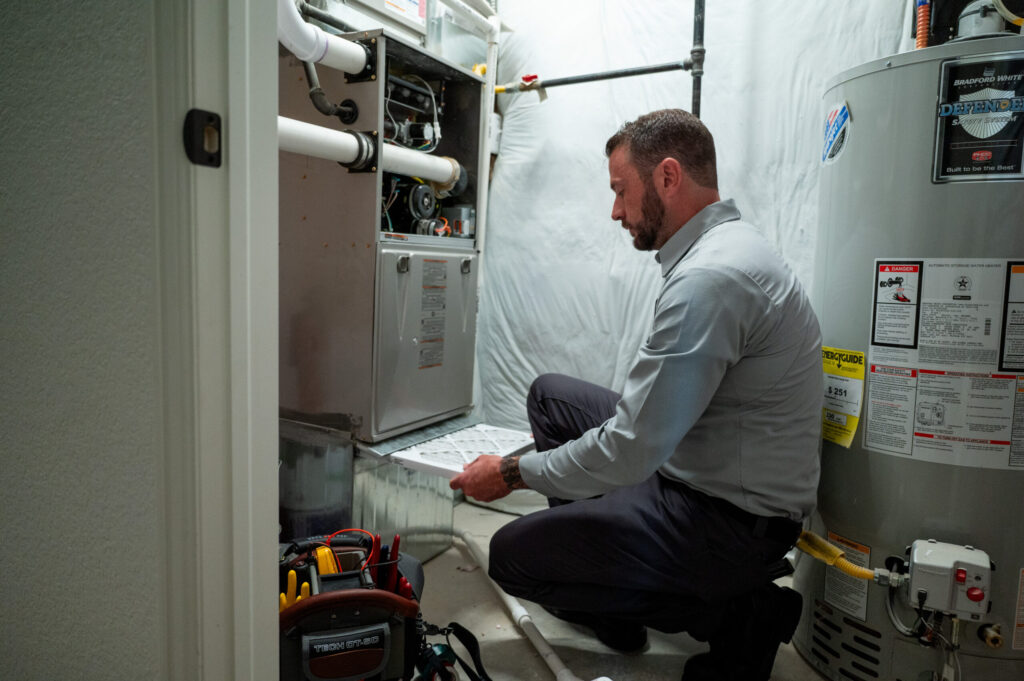
Choosing between repairing or replacing a furnace can be challenging, especially when the system is aging. If your furnace is relatively new, under 10 years old, and the repair is minor, repairing may be the best option.
A furnace that has a good maintenance history and no recurring issues should continue running reliably with occasional repairs. However, furnaces that are 15 to 20 years old typically require more frequent and costly repairs.
A major breakdown such as a cracked heat exchanger, which can release carbon monoxide, always requires replacement for safety reasons. If repair costs are approaching 30 percent or more of the cost of a new system, upgrading becomes the smarter financial decision.
Replacing an outdated furnace also gives you access to modern energy-efficient models that reduce your heating bills significantly over time.
When repair makes sense:
- Furnace is under 10 years old
- Repair is affordable
- System has no history of repeated issues
When replacement is better:
- Furnace is 15-20+ years old
- Frequent breakdowns
- High repair bills
- Major safety issues
Average Lifespan by Furnace Type (Gas, Electric, Oil, Propane)
Each furnace type has a different expected lifespan due to differences in construction and operation. Electric furnaces last the longest because they do not rely on combustion, which reduces stress on the internal components.
Oil furnaces are widely used in Rhode Island and offer strong performance but require regular cleaning due to soot buildup. Gas and propane furnaces remain popular because of their efficiency and heating power, though they generally fall in the mid-range for lifespan.
Furnace lifespan by type:
- Gas: 15-20 years
- Electric: 20-30 years
- Oil: 15-25 years
- Propane: 15-20 years
Cost Considerations When Replacing an Old Furnace
When it’s time to replace your furnace, several cost-related factors come into play. The price varies based on furnace type, energy efficiency rating, and installation complexity. High-efficiency systems may come with a higher upfront cost, but they help reduce monthly heating bills.
The size of your home and the condition of your ductwork also influence total replacement costs. Homeowners often choose modern units because they deliver quieter performance, better temperature control, and long-term energy savings.
Energy Efficiency Improvements to Consider With a New Furnace
A new furnace offers many efficiency upgrades that older systems cannot match. Newer models feature better insulation, improved blower technology, and smart thermostat compatibility that helps optimize heating cycles.
High-AFUE furnaces are designed to use fuel more effectively, which lowers heating costs and reduces environmental impact. When replacing an old furnace, homeowners should look for Energy Star-rated models for maximum performance and savings.
Frequently Asked Questions
1. What is the typical lifespan of a furnace?
Most furnaces last 15 to 20 years, depending on usage and maintenance quality.
2. How can I tell if my furnace needs to be replaced instead of repaired?
Frequent repairs, uneven heating, rising energy bills, and loud noises are major signs your furnace is nearing the end of its life.
3. Does regular maintenance help a furnace last longer?
Yes. Regular maintenance keeps components clean and functional, helping your furnace operate efficiently for more years.
4. Is it worth repairing a furnace older than 15–20 years?
Usually no. Repair costs often increase as furnaces age, making replacement a more cost-effective option.
4. What type of furnace lasts the longest?
Electric furnaces last the longest, typically 20 to 30 years.