
If you discover your furnace leaking water, it’s vital not to ignore it. At Acorn Oil, we understand how distressing it can be to find water pooling near your heating system, especially during Rhode Island’s colder months.
A leaking furnace can indicate deeper problems, such as condensation build-up in high-efficiency units, clogged drain lines, or even a malfunctioning humidifier as all issues that can affect the safety and performance of your HVAC system.
Acting quickly is crucial to protect your home and extend the life of your equipment. Water leaks can damage your furnace, reduce heating efficiency, and even expose your property to risks like mold or electrical issues. Our experienced team is committed to keeping your heating system running reliably and safely, reach us at (401) 724-3498 for professional support before a small leak becomes a major concern.
Understanding Why a Furnace May Leak Water
When you notice your furnace leaking water, it raises immediate concerns. Water leaks in furnaces are most common in modern, high-efficiency furnace units but can occur in any type.
The main sources of leaks include condensation during operation, malfunctioning humidifier assemblies, and clogged or damaged condensate drain lines. These issues can compromise your HVAC system and should be addressed promptly to avoid bigger problems.
Common Causes of Furnace Water Leaks
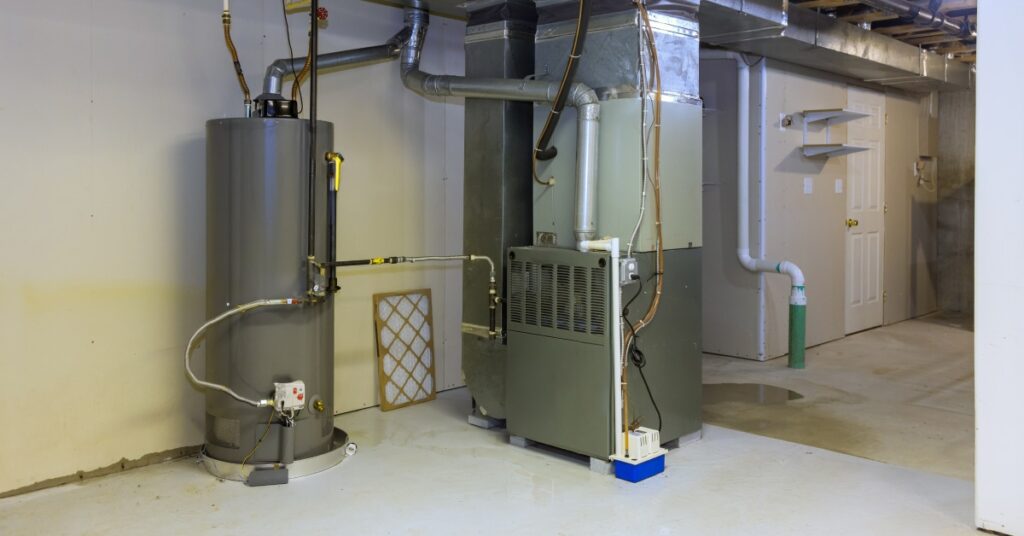
Water leaks often result from several identifiable issues within your HVAC system. Below are the most frequent furnace water leak causes:
- Condensation from High-Efficiency Furnaces: These units produce more condensation, which requires proper drainage.
- Clogged Condensate Drain Lines: Drain pipes can become blocked by debris, causing water to pool or overflow.
- Faulty Condensate Pumps: Malfunctioning pumps fail to move condensation away from your furnace.
- Humidifier Problems: Leaks or failures in the humidifier assembly can introduce unwanted moisture.
- Restricted Airflow: A clogged furnace filter can force condensation to appear in the wrong places.
Each of these issues relates to the broader HVAC system, with potential links to the health of your condensate drain line, heat exchanger, or humidifier components.
Condensation Issues in High-Efficiency Furnaces
Most modern furnaces, especially high-efficiency models, feature a secondary heat exchanger that increases their performance but creates more condensation. If the furnace or associated pipes aren’t draining properly, water will accumulate, leading to a visible leak. HVAC condensation problems like these are not only messy but can impact your furnace’s ability to heat efficiently.
Blocked or Damaged Drain Lines and Pipes
The condensate drain line and attached pipes carry away condensation created during the heating cycle. Should these lines become blocked due to sludge, dust, or mineral buildup, water can back up or escape into surrounding areas. Even minor blockages can cause leaks, water damage, and system inefficiency. Preventative inspection is key to keeping your furnace running smoothly.
Problems With the Furnace Humidifier
Many HVAC systems include a built-in humidifier to maintain air quality in cold months. If the humidifier assembly develops cracks, faulty valves, or loose fittings, excess water could leak onto the floor. Such furnace humidifier leaks are often mistaken for other plumbing issues, but it’s essential to have a professional identify and fix the cause.
Clogged Furnace Filter and Restricted Airflow
A clogged furnace filter can restrict airflow and disrupt the normal evaporation process of condensation within your HVAC system. When air cannot move freely, moisture may accumulate in ways that the designed drainage systems cannot handle. Swapping out filters regularly and calling a technician for persistent problems is the best solution.
How to Fix a Furnace That’s Leaking Water
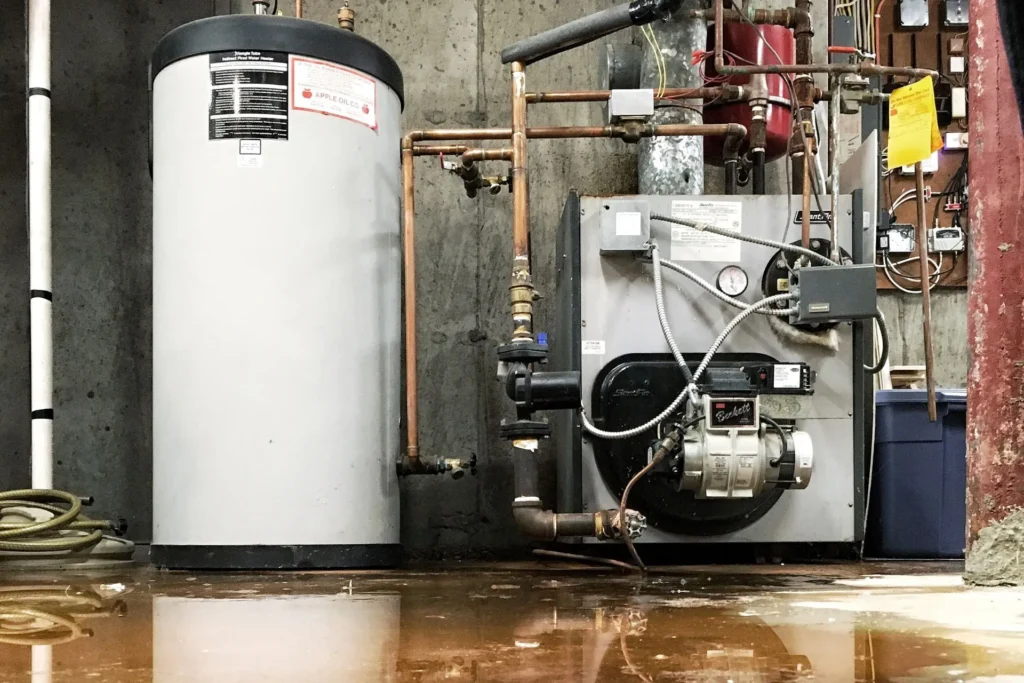
When you spot water near your furnace, the most effective course of action is to call a trained professional. At Acorn Oil, our HVAC technicians can diagnose and resolve any leaking furnace troubleshooting needs.
We do not recommend attempting repairs yourself, as improper handling can further damage your heating system, void warranties, or cause safety concerns. For service details and support, check our Services page.
When to Call a Professional HVAC Technician
If you notice persistent water leaks, condensation under your furnace, or suspect any HVAC condensation problems, it’s time to seek expert help.
A licensed HVAC technician is equipped to inspect all heating components, including the condensate pump, condensate drain line, humidifier assembly, and heat exchanger. Fast action will prevent more costly repairs and keep your system working efficiently all season long.
Furnace Maintenance Tips
To lower the risk of water leaks and extend the life of your furnace:
- Schedule routine inspections for all HVAC system components.
- Change furnace filters regularly to prevent airflow blockages.
- Request professional cleaning of drain lines and pumps.
- Have the humidifier checked for signs of wear or leaks.
Our expert HVAC team at Acorn Oil offers furnace maintenance services designed to keep your heating system running smoothly all winter. Explore our comprehensive services now!
Get Support From Acorn Oil
If your furnace is leaking water or showing signs of trouble, don’t wait. Contact Acorn Oil as your trusted heating experts in Rhode Island for fast, reliable service tailored to every home. Call 401-724-3498 or visit Acorn Oil to schedule your inspection or repair.
We combine experience, authority, and trustworthiness on every job as backed by years of commitment to top-tier HVAC services for our local community. Protect your home, your heating system, and your peace of mind with help from Acorn Oil.
Frequently Asked Questions
1. Why is my furnace leaking water when the heat is on?
Water around your furnace while heating usually points to issues with condensation or drainage. Contact us for an expert inspection and avoid DIY solutions.
2. Is a leaking furnace dangerous or unsafe to use?
Yes, but it depends on the cause. It’s best to contact our professionals for safe and thorough diagnostics.
3. Can a clogged air filter cause my furnace to leak water?
A clogged air filter can cause airflow problems and lead to water leaks. Reach out to us for a comprehensive HVAC check.
4. How do I know if the condensate drain is blocked?
If you see water buildup or leaks near your furnace, the drain may be blocked. Contact our team for quick assessment and repairs now!
5. When should I call an HVAC technician for a leaking furnace?
If you notice water, condensation, or recurring leaks, contact us immediately. Avoid risking further damage by attempting DIY repairs.