
A furnace is one of the most important parts of a home heating system, especially in places with cold winters like Rhode Island. If you have ever wondered how a furnace works or what happens inside the system when your thermostat turns on, you are not alone.
Understanding the basics helps you take better care of your HVAC system and avoid common heating issues. In this guide, we will walk through how a furnace operates, what components make it work, and how to maintain it for better performance.
If you ever need expert help, Acorn Oil provides reliable heating services for homeowners.
What Is a Furnace? Understanding the Basics
A furnace is a central heating system that warms your home by heating air and distributing it through ductwork. It is part of a larger HVAC system that includes the thermostat, ductwork, return air vents, and air filter.
When the furnace starts, it pulls in cool return air, heats it inside the heat exchanger, and pushes warm air throughout your home using a blower motor.
Key Points
- A furnace is a forced-air heating system.
- It uses fuel or electricity to generate heat.
- Heated air is delivered throughout the home using ducts.
Main Components Inside a Furnace System
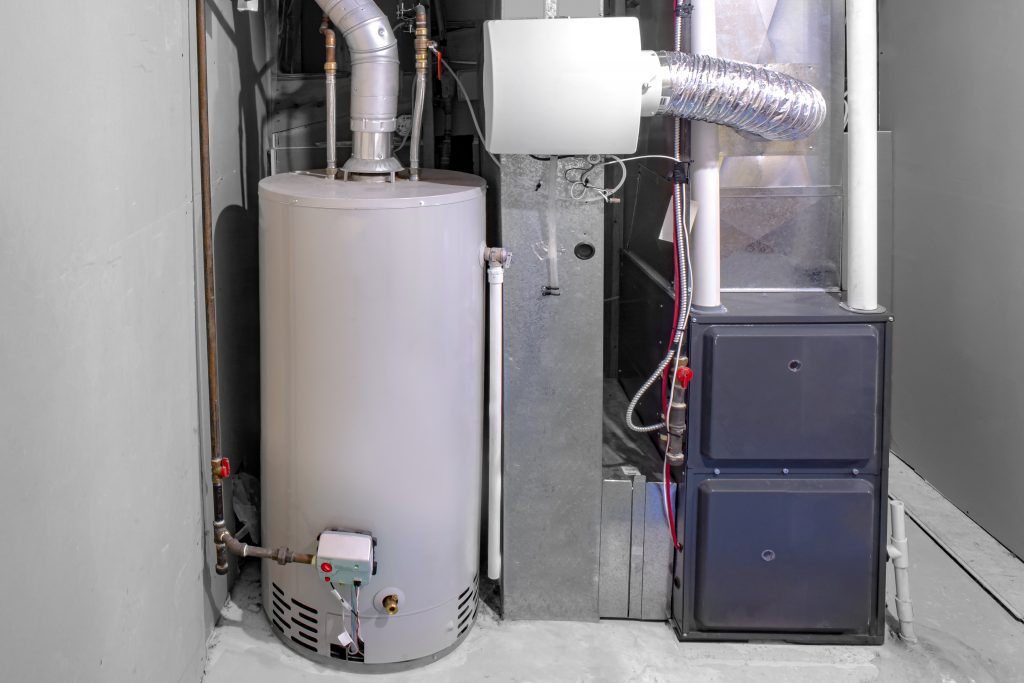
Every furnace is made up of several essential components that work together to complete the heating cycle. Understanding how these parts function can help you spot when maintenance or repairs might be needed, especially when considering factors like Rhode Island furnace performance in winter and how seasonal demands can affect overall system efficiency.
Components Include
- Thermostat: Sends the signal for heat.
- Burners or electric heating elements: Create heat.
- Heat exchanger: Transfers heat to the air safely.
- Blower motor: Pushes heated air into supply ducts.
- Air filter: Prevents dust and debris from entering the furnace.
- Ductwork: Moves air throughout the home.
How a Furnace Generates Heat: Step-by-Step Process
The heating cycle begins as soon as your thermostat detects a drop in temperature. Each step plays a role in delivering warm, comfortable air throughout your home.
Step-by-Step Heating Cycle
- The thermostat signals the furnace to start.
- The gas ignition system or heating elements activate.
- Fuel burns inside the combustion chamber or electric elements heat up.
- The heat exchanger warms the air around it.
- The blower motor pushes the warm air through ducts.
- Cool air returns through the return air duct to repeat the cycle.
Different Types of Furnaces and How They Operate
Furnaces can run on different fuel sources, and each type operates in its own way. The most common categories include gas, electric, and oil furnaces.
Types of Furnaces
- Gas Furnace: Heats air using natural gas burners and a heat exchanger.
- Electric Furnace: Uses electric heating elements instead of burners.
- Oil Furnace: Burns heating oil for homes that do not use natural gas.
- Dual Fuel Systems: Combine a heat pump and furnace for energy efficiency.
How Air Circulates Through Your Home
Airflow is a major part of how a furnace works. Without proper air circulation, the system cannot heat efficiently. This process includes pulling air in, warming it, and distributing it across rooms.
How Air Moves
- Cool air enters through return vents.
- Air passes through the air filter before heating.
- Warm air travels through supply ducts.
- A continuous cycle maintains indoor temperature control.
The Role of Thermostats and Control Systems
The thermostat works as the brain of your HVAC system. It controls when heating starts and stops, ensuring consistent comfort inside your home.
Thermostat Functions
- Monitor indoor temperature.
- Sends signals to activate or stop the heating cycle.
- Works with smart systems to improve energy efficiency.
- Can adjust heating cycles based on your routine.
Common Furnace Problems and What Causes Them
Over time, furnaces may run into issues just like any other mechanical system. Many common problems occur because components wear down or airflow becomes restricted.
Frequent Problems
- Furnace blowing cold air.
- Short cycling, which causes the furnace to repeatedly start and stop.
- Ignition failure in gas furnaces.
- Dirty filters restricting airflow.
- Faulty thermostat causing wrong temperature readings.
How to Maintain a Furnace for Better Efficiency
Proper maintenance keeps your furnace heating efficiently and reduces repair costs. Regular tune-ups also extend the life of your HVAC system.
Maintenance Tips
- Replace the air filter every 1 to 3 months.
- Schedule annual professional maintenance from Acorn Oil.
- Keep vents and ductwork clean.
- Check the thermostat for correct settings.
- Listen for unusual noises and address problems early.
Conclusion
Understanding how a furnace works allows you to take better care of your heating system and spot issues before they turn into costly repairs. From the heating cycle to airflow and thermostat control, every part plays an important role in keeping your home warm. If you ever need expert maintenance, repairs, or seasonal tune-ups, Acorn Oil is here to help.
Visit our Services page or connect with Acorn Oil today for dependable furnace care.
Frequently Asked Questions
1. What are the main parts of a home furnace?
A furnace includes the burners or heating elements, heat exchanger, blower motor, thermostat, air filter, and ductwork.
2. How long does it take for a furnace to heat a house?
Most systems take 10 to 15 minutes to warm the home depending on the size and insulation.
3. Why is my furnace repeatedly turning on and off?
Short cycling may be caused by a dirty filter, faulty thermostat, overheating, or airflow issues.
4. What is the difference between a gas furnace and an electric furnace?
Gas furnaces burn fuel to create heat, while electric furnaces use heating elements and electricity.
5. How often should a furnace be serviced or maintained?
Get your furnace checked yearly, especially before winter starts.