
A furnace making a loud noise can be stressful, especially when the sound appears suddenly or grows stronger with each heating cycle. Many Rhode Island homeowners deal with noisy HVAC systems during colder months.
Loud furnace noises can signal minor issues or early warnings of a more serious problem. Understanding what the sounds mean helps you protect your heating system and avoid unexpected breakdowns.
This guide covers the most common furnace noises, what typically causes them, and how to troubleshoot problems early, whether you are just learning about maintenance or considering furnace repair in Rhode Island before minor issues turn into costly fixes.
Common Reasons Your Furnace Is Making Loud Noises
When a furnace starts producing unusual sounds, homeowners often worry about safety or system failure. Most of the time, noises come from worn parts, airflow problems, or loose components inside the furnace.
Common reasons include:
- Dirt buildup around the ignitor or burner assembly
- A failing blower motor
- Loose panels or screws
- Air ducts expanding or contracting
- Problems with the air filter system
- Delayed ignition inside the furnace
- Vibration caused by damaged internal parts
These problems can cause a range of noises, and each one can help point you in the right direction for furnace loud noise troubleshooting, especially when reviewing details like the AFUE rating for furnaces in Rhode Island.
Types of Furnace Noises and What They Mean
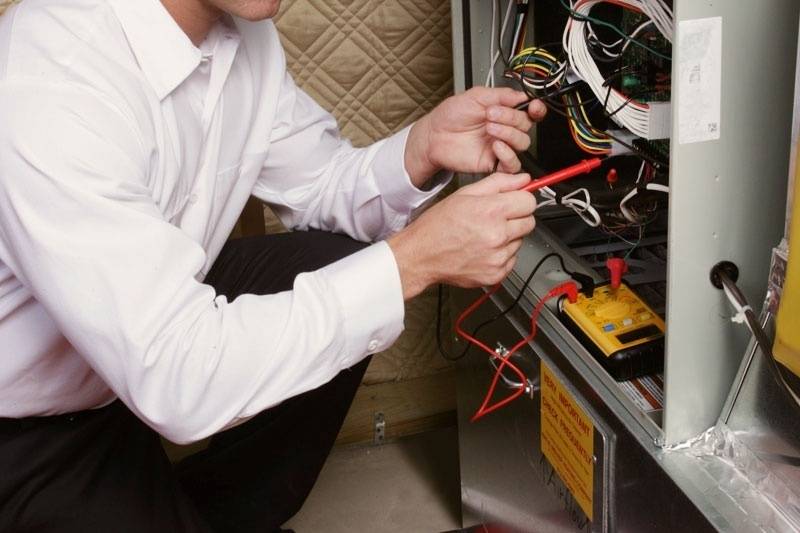
Different furnace noises often point to specific issues within the system. The most common sounds include:
- Banging or booming
- High pitched squealing
- Rattling or vibrating
- Grinding or scraping
- Whistling or humming
Each sound requires a different approach, so identifying the noise accurately helps you understand when simple maintenance is enough and when professional help is needed.
Loud Banging Sounds: Causes and Fixes
A banging noise is one of the most concerning furnace sounds. One common cause is delayed ignition. When fuel builds up in the burner before igniting, the sudden flame creates a loud bang. This issue often happens when the burner assembly is dirty or the ignitor is weak.
Another cause is expanding air ducts. As heated air moves through cold ducts, metal can pop loudly. While this is normal in some cases, very sharp or frequent bangs indicate airflow restrictions or pressure problems.
You can start by inspecting the air filter and replacing it if it’s clogged, since clean filters help maintain proper airflow and prevent excess pressure from building up inside the system, an issue often related to understanding what does a pressure switch do on a furnace. If the banging noise persists after changing the filter, it’s best to contact an HVAC technician through the Services page for a professional diagnosis.
Why Your Furnace Makes High Pitched Squealing or Screeching
A squealing or screeching noise usually suggests a mechanical problem. The blower motor belt may be worn out or slipping. Older furnace models rely on belts to move air through the system, and belts weaken over time.
Another cause may be blower motor noise from dry bearings. If the motor parts are not lubricated, friction creates a squeal when the furnace starts or stops.
If the squealing continues after replacing the air filter or adjusting the blower, you may need Furnace repair and replacement in cranston. A trained technician can inspect the motor, tighten components, and prevent a complete system failure.
Rattling or Vibrating Furnace: Is It Dangerous?
A rattling sound often means something is loose inside the furnace. Common sources of vibration include:
- Loose access panels
- Loose screws on the blower motor mount
- Small cracks in the heat exchanger
- Shaking air ducts
- Debris inside the furnace housing
A mild vibration is usually easy to fix by tightening screws or securing panels. However, if the rattling gets louder, it may signal a cracked heat exchanger. This can be dangerous because it may allow carbon monoxide to leak.
If you suspect a heat exchanger issue, stop using the furnace and contact Acorn Oil for immediate assistance.
When a Loud Furnace Indicates a Blower Motor Problem
The blower motor is essential for circulating warm air through your home. When it begins to fail, it often produces loud humming, grinding, or buzzing noises.
Possible blower motor problems include:
- Loose fan blades
- Worn bearings
- Electrical issues
- Dirt on the motor housing
- Imbalanced or damaged fan wheel
Ignoring a blower motor problem can cause overheating or complete motor failure. If you hear grinding or buzzing sounds from the furnace, schedule an inspection right away to keep your heating system running safely.
How to Troubleshoot a Noisy Furnace at Home
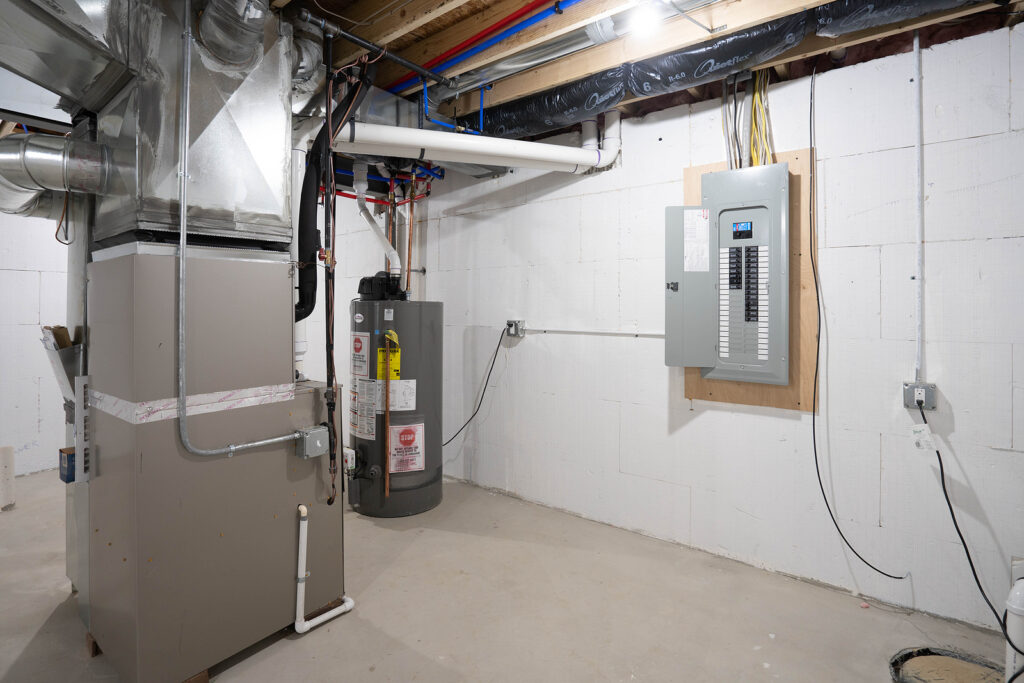
Some furnace noises can be reduced or eliminated with simple troubleshooting steps. Homeowners can try the following:
1. Replace the air filter
A dirty air filter limits airflow and increases strain on the furnace.
2. Check the thermostat settings
Incorrect settings can cause the furnace to cycle on and off in a way that produces noise.
3. Inspect visible screws and panels
Tighten anything that may have come loose during regular operation.
4. Look for debris near the ignitor or burner area
Dust buildup may cause weak ignition or burner noise.
5. Clear the area around the furnace
Objects touching the unit can create rattling or vibration.
If you complete these steps and the furnace still makes noise, your system likely needs a deeper inspection from a licensed HVAC technician.
When to Call an HVAC Professional for Furnace Noise Issues
Some furnace noise problems cannot be fixed with simple home maintenance. Professional support is recommended when:
- The furnace makes loud bangs frequently
- There is a burning or unusual smell
- The blower motor becomes extremely loud
- Vibrations shake the entire furnace
- Grinding or scraping sounds occur
- Noise starts immediately when the furnace turns on
An expert can inspect the heat exchanger, blower motor, air ducts, and the ignitor or burner assembly to identify the problem safely. If the unit is older or showing multiple issues, it may be time to consider Furnace repair and replacement in cranston to restore reliable heating.
Homeowners in Rhode Island trust Acorn Oil for safe and professional furnace repair. Visit Acorn Oil to schedule service or learn more about your heating options.
Frequently Asked Questions
1. Is a loud furnace dangerous?
Yes. Some noises are harmless, but others can signal a cracked heat exchanger, blower motor failure, or ignition issues. It is important to investigate loud sounds quickly.
2. What does a banging noise in my furnace mean?
A banging noise usually points to delayed ignition or expanding air ducts. If the noise repeats or gets louder, schedule a professional inspection.
3. How do I stop my furnace from making squealing or screeching sounds?
Check the blower motor belt, replace the air filter, and ensure the motor bearings are lubricated. If the squeal continues, you need furnace repair support.
4. Can a dirty air filter cause furnace noise?
Yes. A clogged air filter restricts airflow, strains the furnace, and can cause banging, whistling, or vibrating sounds.
5. When should I call a professional for furnace noise problems?
Call a technician if noises are loud, persistent, or occur every time the furnace turns on. Grinding, banging, and buzzing sounds require immediate attention.