
A furnace smell like burning can be alarming, especially during colder months when Rhode Island homeowners rely heavily on their heating systems. Some furnace odors are normal, while others can indicate mechanical or electrical issues that require attention. Knowing the difference helps you stay safe and keeps your HVAC system running properly.
This guide explains the most common reasons your furnace smells like burning, how to troubleshoot the problem, and when it is time to contact a professional for help.
Common Reasons Your Furnace Smells Like Burning
A burning smell from the furnace can come from several sources. Some causes are harmless, such as dust burning off after months of inactivity. Others point to more concerning issues that need immediate attention.
Common reasons include:
- A dirty air filter
- Dust on the burner assembly
- Electrical wiring damage
- Overheated blower motor components
- Plastic or rubber items touching heating parts
- Airflow problems inside your HVAC system
Taking time to understand what each smell means helps you address problems early, reduce safety risks, and learn practical tips such as how to avoid furnace short-cycling before minor issues turn into costly repairs.
Is a Burning Smell From the Furnace Normal
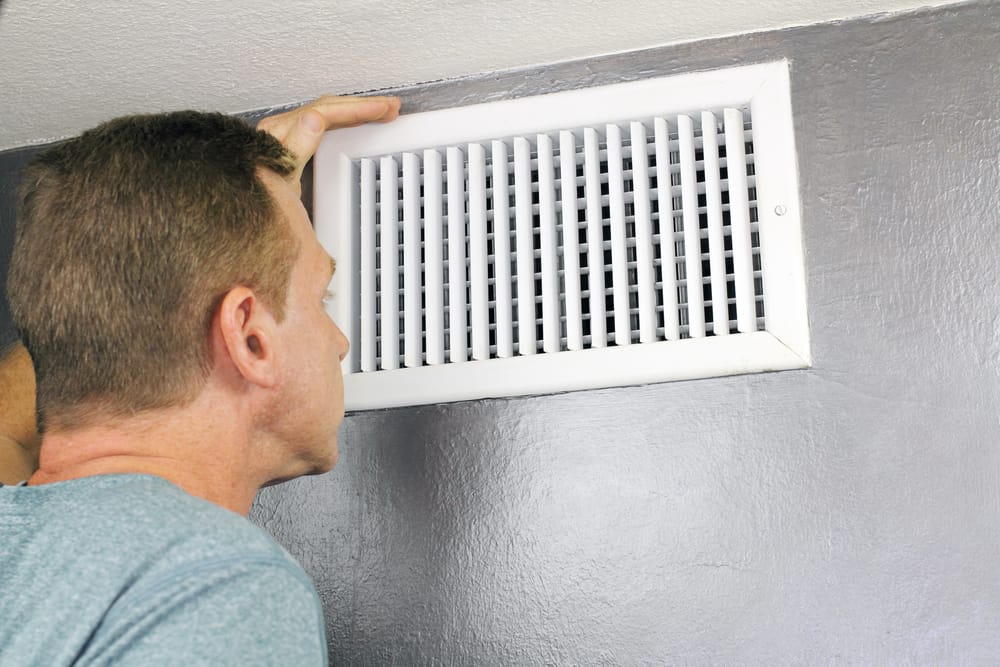
In some cases, a furnace burning smell is normal, especially when turning the system on for the first time in the fall or after months of no use. Dust collects on the heat exchanger, burners, and internal components during the off-season.
When the furnace heats up, the dust burns off and produces a mild odor that usually disappears within a few minutes.
However, if the smell lasts longer than expected or becomes stronger, it may indicate a deeper issue with the heating system. Continuous burning odors should never be ignored and need further investigation.
Dust Buildup: The Most Frequent Cause of Furnace Odors
One of the most common reasons a furnace smells like burning dust is simple dust buildup. When your furnace starts its first heating cycle of the season, dust that settled on the heat exchanger and blower motor gets burned away.
This type of odor should fade quickly, but if it continues, check the air filter. A clogged air filter can trap dust inside the HVAC system and restrict airflow. Poor airflow forces the furnace to work harder and may create additional smells.
Regular furnace maintenance tips include replacing the air filter every one to three months and cleaning dust around visible components to prevent odors throughout the season.
Electrical Burning Smells: When to Treat It as an Emergency
An electrical burning odor furnace smell is never normal and should be treated as an emergency. This type of smell may be caused by:
- Overheated electrical wiring
- Loose wire connections
- Damaged circuit boards
- Failing blower motor components
- Overheating thermostat wiring
Electrical smells usually signal that a component is overheating where it shouldn’t be. If you notice a burning or electrical odor, it’s important to shut down your furnace right away using the thermostat and the nearby power switch, as issues with safety components, such as understanding what a pressure switch do on a furnace, can help explain why these warnings shouldn’t be ignored.
To stay safe, it’s best to contact a professional HVAC technician as soon as possible, since electrical issues can turn into fire hazards if they are ignored. Reviewing winter HVAC prep tips for Rhode Island homes can also help you catch potential problems early and keep your system running safely.
Burning Plastic or Rubber Odors: What They Mean
A burning plastic furnace smell often signals that something inside or near the furnace is overheating or melting. Possible causes include:
- A foreign object stuck near the heat exchanger
- Rubber insulation touching a hot surface
- Plastic debris on the burner assembly
- A worn blower motor belt producing friction
If you’ve recently stored boxes or plastic items near your furnace, they could be sitting too close to the heating components and causing unwanted odors. Try moving any stored items farther away from the unit, then observe whether the smell goes away as the system runs through its normal furnace pressure switch work cycle.
If the smell continues, do not operate the furnace. It is safer to schedule an inspection, especially if you need Furnace repair and replacement in Cumberland.
How to Troubleshoot Furnace Burning Smells Safely
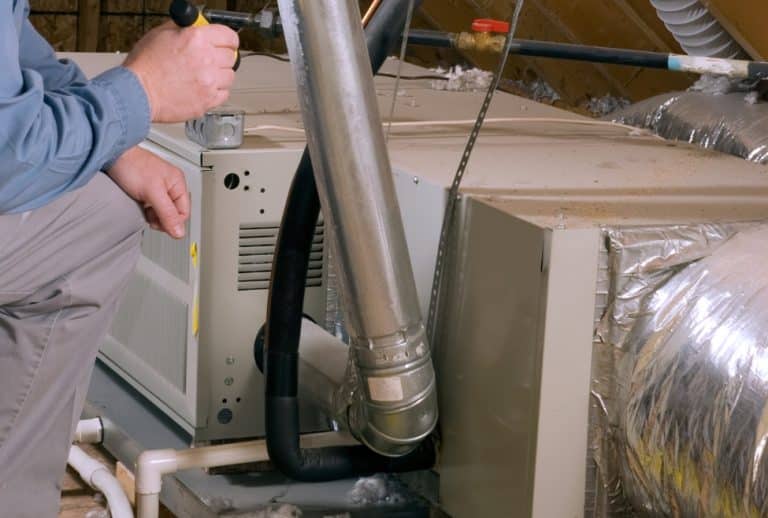
Some burning smells can often be handled with simple troubleshooting at home, but if you find yourself wondering, When should I call a furnace repair technician in Rhode Island?, it may help to review the warning signs first. Before checking your furnace, always ensure the area around it is clear and well lit.
1. Replace the air filter
A dirty air filter often contributes to heating system smells.
2. Check for items touching the furnace
Move plastic bins, cleaning supplies, or tools away from the heating system.
3. Clear dust around exterior components
Use a soft cloth to remove dust from panels and vents.
4. Inspect the thermostat
Incorrect thermostat settings can cause parts of the HVAC system to overheat.
5. Monitor how long the smell lasts
If a mild dust smell fades within a short time, it is usually normal.
If burning odors continue or intensify, stop troubleshooting and contact an expert. A heating system producing strong or persistent odors often needs professional care.
When You Should Call an HVAC Technician
Burning smells from your furnace should not be dismissed, especially when they last longer than a short warmup period. Call a professional when:
- The smell is strong or keeps returning
- You detect a burning electrical odor furnace smell
- The odor smells like burning rubber or plastic
- The furnace shuts off unexpectedly
- Smoke appears near the furnace
- The blower motor becomes extremely hot
A trained technician can inspect the burner assembly, blower motor, heat exchanger, thermostat wiring, and other components to identify the source of the smell.
If the furnace is older or showing multiple warning signs, consider exploring Furnace repair and replacement in Cumberland to restore safe and efficient heating.
Homeowners in Rhode Island can rely on Acorn Oil for trusted furnace repair services and troubleshooting support.
How to Prevent Your Furnace From Producing Burning Odors
Preventing future furnace burning smell issues is possible with consistent care. Here are simple ways to keep your HVAC system running safely:
- Replace air filters often
- Schedule seasonal tune ups
- Keep storage items away from the furnace
- Clean dust around registers and vents
- Test your thermostat regularly
- Inspect visible wiring for signs of wear
Regular maintenance also helps prevent overheating and electrical problems, reducing the chance of burning odors returning.
For ongoing care, you can explore the full range of support available through the Services page on the Acorn Oil website.
Frequently Asked Questions
1. Is it normal for my furnace to smell like burning when I turn it on for the first time?
Yes. A mild burning smell from dust is normal during the first cycle of the season. It should fade after a few minutes.
2. How long should a burning smell last after starting the furnace?
If the furnace smells like burning for more than an hour or returns during later cycles, it may indicate a deeper issue.
3. What does it mean if my furnace smells like burning plastic?
This smell often suggests overheating components, melting insulation, or debris touching hot furnace parts. You should turn the furnace off immediately.
4. Should I turn off my furnace if I smell something burning?
Yes. If the smell is strong, electrical, or unusual, turn off the furnace and call a professional immediately.
5. How can I prevent burning smells from my furnace in the future?
Routine filter changes, seasonal maintenance, and keeping the furnace area clean help prevent odors and protect your HVAC system.