
If you want your home to feel warm, clean, and comfortable during Rhode Island’s colder months, the first thing you should pay attention to is your furnace filter. Many homeowners forget about it until the system starts acting up. But the truth is simple. When you change the furnace filter on time, your heating system runs smoother, your energy bills stay lower, and the air you breathe becomes much healthier.
This guide will help you understand everything you need to know. You’ll learn how often to change your furnace filter, the signs of a dirty filter, types of filters, step-by-step replacement instructions, and tips to make your furnace last longer.
For more help with furnace care, heating oil delivery, and HVAC services, you can always count on Acorn Oil. Check out their full list of Services anytime.
Why Changing Your Furnace Filter Matters
Your furnace filter plays an important role in maintaining indoor air quality and keeping your heating system running efficiently. It captures dust, pollen, pet dander, and other debris before they reach your HVAC system. If the filter gets clogged, airflow is restricted, which forces your furnace to work harder than usual, so staying on top of filter changes along with a well-planned thermostat setting schedule, can help support better overall system performance.
A clean filter helps:
- Improve indoor air quality
- Reduce strain on your HVAC system
- Improve energy efficiency
- Lower your heating bills
- Keep your home comfortable through winter
Failing to replace your furnace filter regularly can cause system breakdowns, restrict airflow, and drive up energy costs, while proper maintenance helps reduce furnace heating bills and keeps your home running efficiently.
How Often You Should Change Your Furnace Filter
The most common question homeowners ask is, “How often should I change my furnace filter?”
For most homes, the recommended rule is:
Most homes need a new furnace filter every one to three months.
However, this can vary depending on:
- The filter material
- Home size
- Number of pets
- Allergies in your family
- How often your furnace runs
Rhode Island homeowners often use their heating systems heavily during colder months, so changing the filter every 4 to 6 weeks in winter helps keep your heater running at peak performance.
Signs Your Furnace Filter Needs Replacement
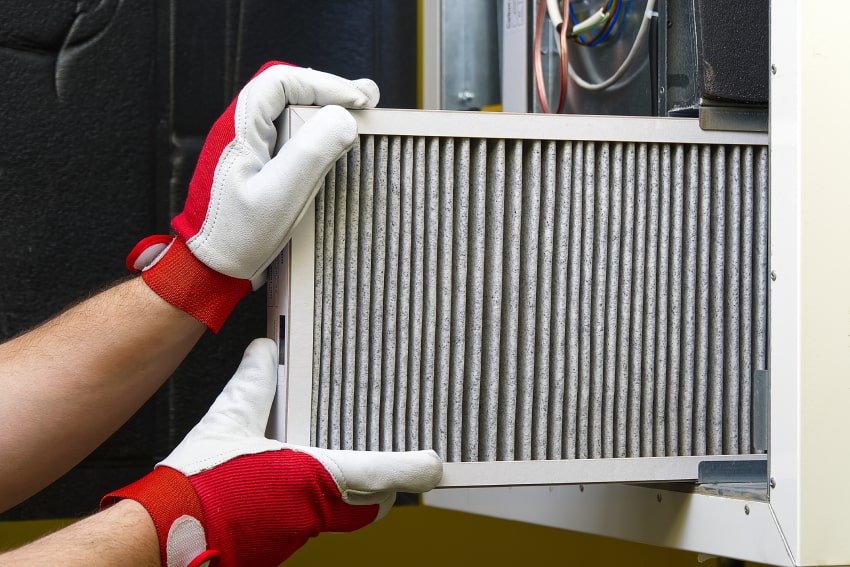
Sometimes your filter needs to be changed sooner than expected. Watch for these signs:
- Your home feels dusty more often
- Airflow from vents has reduced
- Your energy bill suddenly increases
- Furnace is cycling on and off frequently
- The filter looks dark, clogged, or full of debris
- Allergies or breathing issues worsen indoors
If you notice any of these, go ahead and replace the filter. It’s one of the simplest HVAC maintenance tasks you can handle yourself.
Factors That Affect Filter Replacement Frequency
Every household is different. Here are the major factors that influence how often you need a new filter:
- Pets in the home: Pet hair and dander clog filters much faster. If you have one or more pets, consider replacing filters monthly.
- Allergies or respiratory issues: Homes with allergy-sensitive individuals need cleaner air. High-quality filters and frequent replacement are recommended.
- Type of filter: Fiberglass filters require more frequent replacement, while pleated filters last longer.
- Home location: Homes near busy roads or construction may collect more dust, affecting filter lifespan.
- Usage of the furnace: During peak winter months in Rhode Island, your furnace runs more often, which means your filter traps more debris.
Types of Furnace Filters and Their Lifespan
Choosing the right filter helps you balance air quality and system performance. Here are the most common types:
1. Disposable Fiberglass Filters
- Lifespan: 30 days
- Low cost
- Basic filtration
- Needs frequent replacement
2. Pleated Air Filters
- Lifespan: 60 to 90 days
- Better filtration efficiency
- Good for homes with pets or allergies
3. High-MERV Rated Filters
- Lifespan: 1 to 3 months
- Capture tiny particles
- May reduce airflow if used in older HVAC systems
4. Washable Electrostatic Filters
- Lifespan: Reusable for years
- Must be cleaned monthly
- Good airflow but require regular maintenance
Pick a filter based on your home environment and your furnace’s compatibility.
How a Dirty Furnace Filter Impacts HVAC Performance
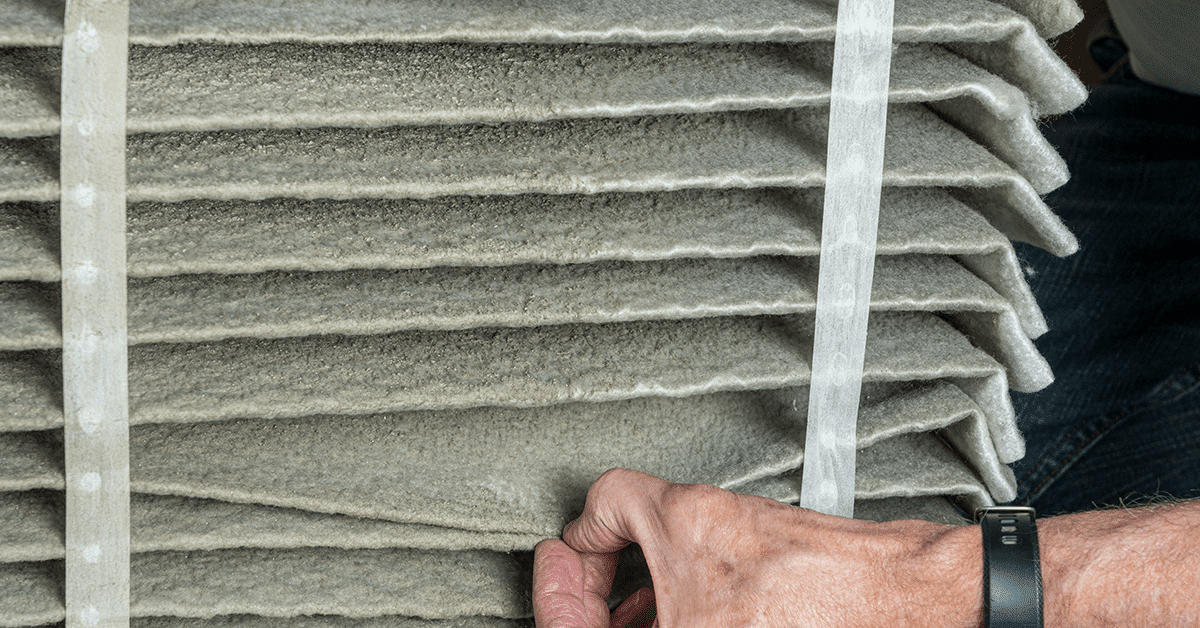
A clogged furnace filter does more than affect air quality. It can cause:
- Overheating of your furnace
- Short cycling
- Reduced airflow
- Higher fuel usage
- Increased wear on your blower motor
- Frozen coils in systems connected to AC
Ignoring filter replacement can make your HVAC system struggle and may even shorten its lifespan.
How to Replace a Furnace Filter Step-by-Step
Replacing the filter is simple and can be done in just a few minutes. Here’s how:
Step 1: Turn Off the Furnace
Safety first. Switch off the furnace using the thermostat or power switch.
Step 2: Locate the Filter
Filters are usually found near the air handler or blower compartment.
Step 3: Remove the Old Filter
Pull out the old filter carefully to avoid spreading dust.
Step 4: Check the Size
The size is printed on the side of the filter. Match it exactly when buying a replacement.
Step 5: Insert the New Filter
Check the filter frame for the arrow that shows the airflow direction. Make sure it points toward the furnace.
Step 6: Turn Everything Back On
Once the filter is secure, turn your furnace back on.
For full HVAC inspections or help with maintenance, you can connect with Acorn Oil anytime.
Tips to Extend the Life of Your Furnace Filter
- Vacuum around vents often
- Keep air returns clear
- Change your filter before winter starts
- Use high-quality pleated filters
- Schedule yearly HVAC tune-ups
A little maintenance can keep your furnace running efficiently throughout the coldest months.
Conclusion
Knowing how often to change the furnace filter is one of the easiest ways to protect your heating system and keep your home comfortable. Most filters need replacement every 1 to 3 months, but the exact timing depends on your home’s needs. A clean filter leads to better airflow, lower energy costs, and improved air quality.
If you want professional help or regular HVAC maintenance, the team at Acorn Oil is here to support Rhode Island homeowners. Explore all available heating and home comfort Services on their website.
Frequently Asked Questions
1. How often should I change my furnace filter?
Most homes should replace the filter every 1 to 3 months. Homes with pets or allergies may need monthly changes.
2. What happens if I don’t replace my furnace filter regularly?
Your furnace may overheat, lose efficiency, and drive up your energy bills.
3. Do higher MERV filters need to be changed more often?
Yes, high-MERV filters trap more particles and may clog faster.
4. Can a dirty furnace filter increase my energy bill?
Absolutely. Restricted airflow forces your HVAC system to work harder.
4. How do I know what size furnace filter I need?
The size is printed on the side of your current filter. Always match the exact dimensions.