
At Acorn Oil, we know a clean furnace is essential for a safe, efficient, and comfortable home. When homeowners ask whether the air filter in a furnace up or down really matters, it often signals a larger concern about furnace performance and safety. A well‑maintained HVAC system runs more smoothly, uses less fuel, and offers more reliable heat through the coldest New England days.
If you are unsure about your furnace filter, hearing strange noises, or have questions about the air filter in the furnace up or down, our team is ready to help. Call us at (401) 724-3498 to discuss your system and schedule service.
Why Regular Furnace Cleaning Is Important
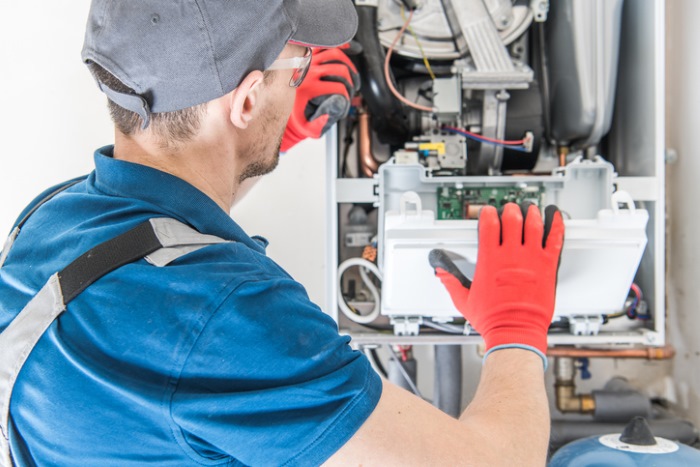
Its answer comes down to safety, efficiency, and comfort. Dust and debris build up inside the blower assembly, on the heat exchanger, and around the furnace filter, forcing your system to work harder than it should. Over time, this strain can increase fuel use, shorten equipment life, and make your home less comfortable and consistent.
Regular furnace maintenance also supports safer operation and more reliable performance. Excess dirt and restricted airflow can affect burners, create hot spots, and lead to frequent cycling that stresses key components.
During service, we go beyond simply checking the furnace air filter and evaluate the entire HVAC system, including reviewing your furnace settings for winter, so you can count on consistent, even heat throughout your home.
Tools and Safety Equipment You’ll Need
Many homeowners look for tools and safety equipment you’ll need and hope for a simple checklist, but furnaces combine fuel, electricity, and high heat, so untrained work can create serious risks.
That is why we do not recommend home methods for internal cleaning or repairs and instead encourage scheduling professional HVAC cleaning with a qualified provider.
Our technicians arrive with the right tools, protective gear, and experience for blower motor cleaning, dust and debris removal, and checking the heat exchanger and controls, and can also confirm whether the air filter in the furnace up or down is correctly set during a service visit.
How to Turn Off and Prepare Your Furnace for Cleaning
Turning off and preparing your furnace for cleaning is an important safety step. Before any work is done, power must be shut off correctly, fuel controls must be addressed, and the unit should be allowed to cool. Done incorrectly, this step alone can lead to damage or unsafe conditions.
Because different models and installations have different shut‑off methods, we do not advise opening or preparing the unit on your own. When you schedule Services with Acorn Oil, our technicians handle the entire preparation and safety process.
If you see dust buildup around vents or are confused about the air filter in the furnace up or down, contact us so we can safely prepare and inspect your system.
Step-by-Step Guide to Cleaning the Furnace Interior
Homeowners often look for the best tips for cleaning the furnace interior hoping to save time and money.
In reality, interior furnace cleaning is detailed work that should be done by trained professionals familiar with codes, manufacturer guidelines, and furnace safety requirements. There is no single generic procedure that safely fits every unit.
When we clean the interior at Acorn Oil, we focus on:
- Carefully removing dust and debris from key areas to improve airflow.
- Inspecting the blower assembly, burners, and heat exchanger surfaces for buildup or wear.
- Confirming that the thermostat and safety controls respond correctly after cleaning.
Rather than opening access panels yourself, use this information to understand what our technicians do during a visit. If you suspect heavy dirt inside your unit or are unsure about the air filter in the furnace up or down, reach us to request professional service.
How to Clean or Replace the Furnace Filter
Proper maintenance of your furnace filter is crucial for effective home heating system care. The furnace filter acts as the first barrier against dust and debris entering your HVAC system, and a clogged or improperly installed filter restricts airflow, increasing strain on the blower.
Many homeowners are uncertain about the correct air filter in furnace up or down direction, which can impact system performance. Because filter orientation depends on airflow and filter design, it is safest to have a technician verify the correct size, type, and placement during furnace filter replacement.
Our team also checks for air leaks around the filter slot to ensure optimal filtration, helping to maintain energy efficiency and indoor air quality. Professional filter checks are essential if you notice dust buildup or rising energy costs.
Cleaning the Blower, Motor, and Fan Components
Cleaning the blower, motor, and fan components is essential for reliable furnace operation. These parts circulate heated air through your home’s air ducts, and dust buildup can reduce efficiency and cause noise.
Professional blower motor cleaning removes debris, protects moving parts, and ensures balanced operation. Accessing and cleaning these areas requires careful handling to avoid damage or safety issues. For these reasons, we recommend relying on trained HVAC technicians.
If you notice unusual noises or airflow problems linked to the air filter in furnace up or down, contact us for expert inspection and service.
How to Inspect and Clean Furnace Ducts
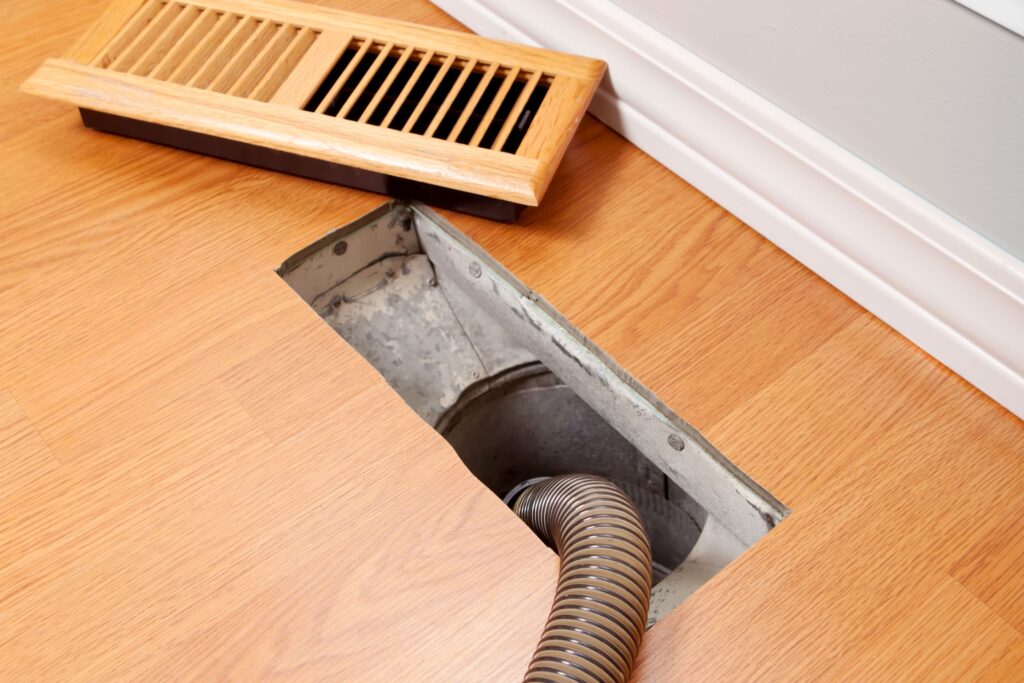
Furnace ducts are a key part of your HVAC system, channeling heated air throughout your home. Dust, pet hair, and debris naturally accumulate inside air ducts, especially if filters are overdue for replacement or installed incorrectly, with the air filter in furnace up or down orientation also affecting contamination levels.
Proper duct cleaning requires specialized equipment like powerful vacuums and air whips to loosen and remove buildup. Instead of attempting this yourself, watch for signs such as visible dust at vents, persistent odors, or uneven heating, and then contact professionals.
Our team can assess whether duct cleaning should accompany your annual furnace tune-up or other maintenance to keep your system running efficiently and your indoor air quality high.
When to Call a Professional HVAC Technician
You should call a professional HVAC technician if you notice unusual smells, soot around your furnace, loud or new noises, frequent cycling, or if you are unsure about the correct air filter in furnace up or down installation.
Addressing these signs early can prevent costly breakdowns and ensure your system runs safely and efficiently. At Acorn Oil, we make furnace maintenance easy and stress-free. Call us at (401) 724-3498 or visit us online to schedule service or discuss your needs.
How Acorn Oil Supports Your Furnace Maintenance
At Acorn Oil, we go beyond just supplying fuel. We understand that clean equipment, correct furnace filter installation including proper air filter in furnace up or down orientation, and timely HVAC cleaning all protect your heating investment.
Each service visit includes thorough inspections of your heat exchanger, burners, and controls to ensure safety and efficiency. We also help you plan ahead by aligning furnace cleaning with your annual furnace tune-up to reduce the risk of unexpected breakdowns and keep your system running at peak performance.
Explore our Services page or contact us for personalized recommendations.
Frequently Asked Questions
1. How often should you clean your furnace?
Most experts recommend having your furnace professionally cleaned at least once a year. This annual maintenance helps keep your system running safely and efficiently by removing dust and checking key components.
2. What are the signs that a furnace needs cleaning?
Signs include increased dust in your home, unusual odors when the furnace runs, uneven heating, and rising energy bills. These symptoms suggest your furnace may need professional cleaning and inspection.
3. Is it safe to clean a furnace yourself?
Due to the risks from fuel, electricity, and heat, furnace cleaning is best left to our trained professionals who have the proper tools and safety training to handle the job safely.
4. How long does a furnace cleaning typically take?
Furnace cleanings usually take between one to two hours depending on the system size and condition. Our technician will perform a thorough inspection and cleaning during this time.
5. What’s the difference between furnace cleaning and a full HVAC tune-up?
Furnace cleaning focuses on removing debris from key components, while a full HVAC tune-up includes additional performance testing, safety checks, and adjustments to optimize the entire system.