
Many Rhode Island homeowners first notice furnace pilot light issues when the furnace stops staying lit or fails to ignite at all. These symptoms often point to a key part of the ignition system.
Understanding the signs of a bad furnace thermocouple helps you diagnose problems early, avoid heating disruptions, and maintain a safe home heating system.
This guide explains what the thermocouple does, how it fails, and what steps you should take if you suspect yours is malfunctioning.
What Does a Furnace Thermocouple Do
A furnace thermocouple is a small safety device that monitors whether the pilot light is burning. It sits near the pilot flame and acts as part of the HVAC safety control system in natural gas furnaces.
When the pilot flame is burning, the thermocouple produces a small electrical signal. This voltage communicates to the gas valve that it is safe to allow gas to flow to the burner.
If the flame goes out, the thermocouple detects the change and signals the gas valve to shut off. This prevents raw gas from entering the home.
Without a functioning thermocouple, the furnace may fail to ignite or keep shutting down, which makes it important to maintain this component properly to prevent furnace breakdowns.
How to Tell If Your Furnace Thermocouple Is Failing
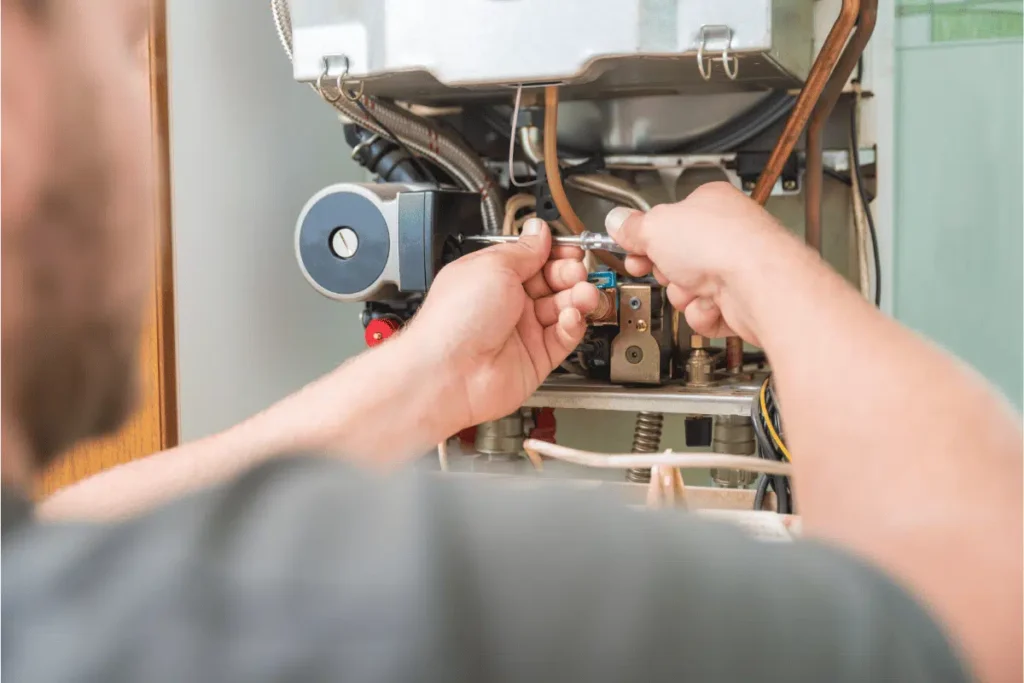
A failing thermocouple typically affects the ignition process. Homeowners often notice furnaces not staying lit episodes during colder months, especially when the demand for heat increases.
Some early warning signs include:
- The pilot light going out frequently
- A pilot flame that looks weak or unstable
- Difficulty keeping the furnace ignited
- The furnace shutting down shortly after startup
- The gas valve failing to stay open during ignition
These symptoms often appear slowly as the thermocouple ages or becomes dirty.
Common Signs of a Bad Furnace Thermocouple
If your furnace continues to lose its flame, you may be dealing with thermocouple failure symptoms. Look for these common indicators:
1. Pilot light will not stay on
The most common sign is a pilot flame that extinguishes repeatedly.
2. Low or inconsistent thermocouple voltage
A worn thermocouple cannot produce enough voltage to keep the gas valve open.
3. A yellow or flickering flame
A properly working pilot flame should be steady and blue. Changes in flame appearance may point to a dirty or failing thermocouple.
4. The furnace shuts down randomly
If the safety system senses inconsistency, the furnace may turn off for protection.
5. Burning smell and delayed ignition issues
A faulty thermocouple may interfere with ignition timing.
When these signs keep returning, it is often time to schedule Furnace repair and replacement in Riverside.
Why Thermocouples Go Bad Over Time
Thermocouples are durable, but they do wear out. Natural gas furnace systems operate at high temperatures, causing gradual deterioration.
Common reasons for thermocouple failure include:
- Dirt buildup on the flame sensor area
- Corrosion from long term exposure to heat
- A worn connector that no longer holds securely
- Metal fatigue or bending
- Damage from frequent furnace cycling
- Incorrect spacing between the thermocouple and pilot flame
A thermocouple that becomes dirty or misaligned may start showing signs long before it fails completely.
How to Test a Furnace Thermocouple Safely
Testing a thermocouple is possible, but it must be done carefully because it is part of the heating appliance safety system.
1. Inspect the pilot flame
A weak or unstable flame may signal that the thermocouple is not receiving proper heat.
2. Check the position of the thermocouple
It should sit directly in the flame path. If it has shifted, it may not sense heat correctly.
3. Look for visible dirt or discoloration
Soot or rust can interfere with voltage production.
4. Use a multimeter if you have experience
A trained HVAC technician often uses a multimeter to measure thermocouple voltage. Low voltage indicates the part needs replacement.
If you are not comfortable testing electrical components, contacting Acorn Oil is the safer choice.
Can You Fix a Bad Thermocouple or Should It Be Replaced
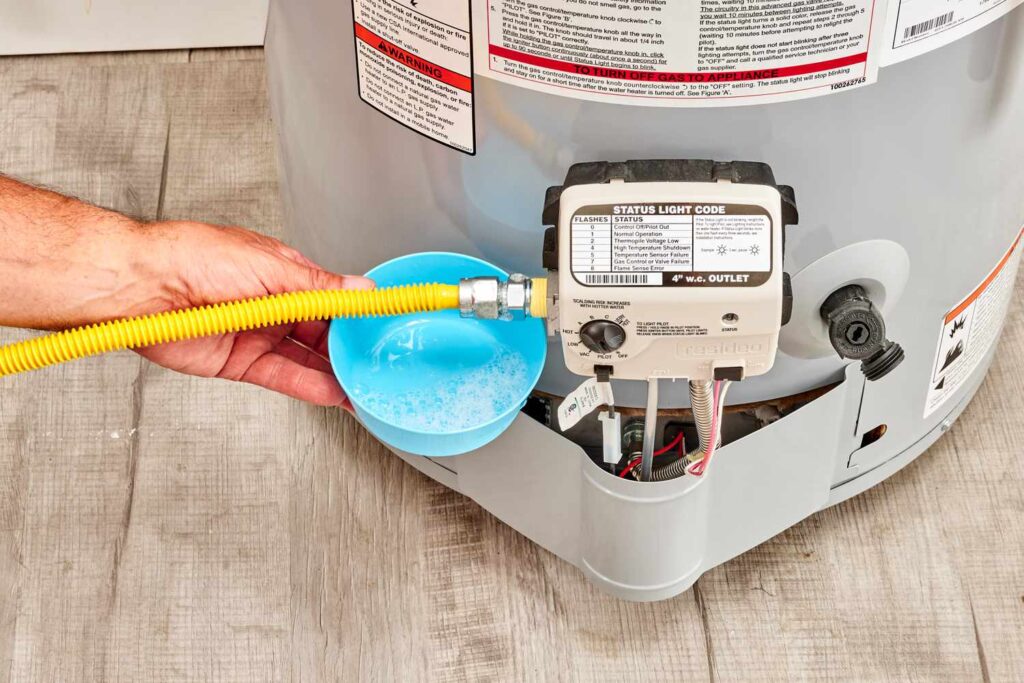
Whether a thermocouple can be fixed depends on the condition of the part.
You may be able to fix it if:
- The thermocouple is simply dirty
- The part is misaligned
- The connector is loose
- There is dust blocking the pilot flame
A gentle cleaning and repositioning sometimes solves minor issues.
Replacement is the better option when:
- The thermocouple is visibly damaged
- The pilot flame continues going out
- The thermocouple shows corrosion
- The furnace does not stay lit even after adjustments
- Voltage readings are low or inconsistent
Thermocouples are inexpensive parts, and replacement is often a quick repair during furnace service.
Cost of Replacing a Furnace Thermocouple
Replacement cost depends on the furnace model, the condition of the HVAC system, and local service rates. Most homeowners find thermocouple replacement to be one of the more affordable heating system repairs.
A technician can confirm the exact cost after inspecting your furnace and checking for related issues like gas valve problems, flame sensor malfunction, or pilot assembly wear.
If your furnace is aging, it may be time to consider long term solutions like Furnace repair and replacement in Riverside.
How to Prevent Thermocouple Problems in the Future
A thermocouple lasts longer when the furnace receives proper care. Simple furnace maintenance tips can help you avoid repeated shutdowns or pilot flame problems.
1. Keep the pilot assembly clean
Dust and debris can interfere with the flame sensor.
2. Schedule yearly tune ups
A technician can check thermocouple voltage, gas valve operation, and overall system performance.
3. Keep the heating appliance area clear
Good airflow helps maintain a strong pilot flame.
4. Watch for changes in the furnace ignition pattern
Slow or inconsistent ignition may indicate early thermocouple issues.
Homeowners in Rhode Island rely on Acorn Oil for safe furnace inspections, diagnostics, and replacement services. For ongoing care, you can explore support through the Services page.
Frequently Asked Questions
1. What happens when a furnace thermocouple goes bad
The pilot light will not stay lit and the furnace will shut down to prevent gas buildup.
2. How long does a furnace thermocouple typically last
Most thermocouples last several years, depending on furnace usage and maintenance.
3. Can a homeowner replace a thermocouple, or should a professional do it
Some homeowners can replace it, but professional service ensures proper installation and safety.
4. Is a faulty thermocouple dangerous for my furnace or home
It is usually not dangerous, but it prevents the furnace from running and indicates a problem in the ignition system.
5. How much does it cost to repair or replace a furnace thermocouple
Costs vary by furnace model and service needs. A technician can provide an accurate estimate after inspection.