
Understanding what a pressure switch do on a furnace helps homeowners identify problems early and keep their heating systems safe during the Rhode Island winter. The pressure switch is a critical safety device inside the HVAC system.
If it is not working correctly, the furnace will not ignite or will shut down to prevent unsafe conditions. When this component fails, it can cause comfort issues, repeated shutdowns, or ignition problems.
This guide explains the function of the pressure switch, how it works, common failure signs, and what to do if it stops operating the way it should.
Understanding the Role of a Furnace Pressure Switch
The pressure switch is a small but important safety interlock switch that checks whether the furnace venting system can move air properly. Before the furnace begins its ignition sequence, the pressure switch measures negative air pressure created by the inducer motor.
Its job is simple. If airflow is safe and clear, the switch closes and allows the furnace to ignite. If the airflow is blocked, the switch stays open and prevents the burner assembly from starting.
This protects the home from dangerous situations like carbon monoxide buildup or combustion backdrafts caused by a blocked flue.
How a Pressure Switch Works in a Furnace System
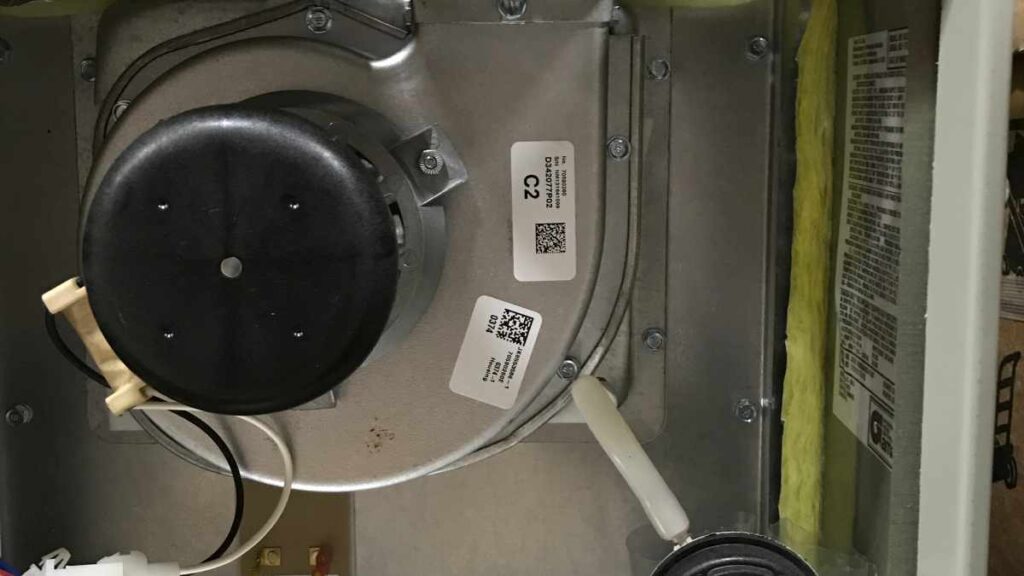
To better understand how a furnace pressure switch works, it helps to follow the ignition sequence, something often reviewed during Rhode Island furnace maintenance checks.
1. The thermostat calls for heat
The furnace starts when the thermostat signals the system to warm the home.
2. The inducer motor turns on
This creates the airflow needed to remove gases from the combustion chamber.
3. The pressure switch measures airflow
The switch looks for proper negative air pressure inside the venting system.
4. The switch closes if airflow is safe
A closed switch confirms the venting system is clear.
5. The burner assembly ignites
Once the switch closes, the furnace can safely begin heating.
If the switch senses airflow issues, it will stop ignition to protect the system, which is why is my furnace making a loud noise often linked to underlying pressure switch problems and why proper troubleshooting is critical when a furnace won’t start.
Why the Pressure Switch Is Critical for Safe Operation
The pressure switch keeps your furnace from operating in unsafe conditions. Without this protection, blocked flues or inducer motor problems could cause combustion gases to move back into your home instead of exiting through the venting system.
Safety benefits include:
- Preventing carbon monoxide exposure
- Protecting the heat exchanger
- Stopping the furnace from overheating
- Ensuring the blower motor only runs during safe cycles
Homeowners often discover how important this device is when the furnace shuts down unexpectedly or struggles to start.
Common Signs of a Faulty Pressure Switch
A failing pressure switch creates noticeable symptoms because it interrupts the furnace ignition process. Some common signs include:
- The furnace starts but shuts down quickly
- The burner assembly will not ignite
- The inducer motor runs constantly
- The thermostat shows normal operation but no heat comes out
- The furnace cycles on and off repeatedly
- Error codes related to pressure problems appear on the control board
Another sign is when the pressure switch stuck open warning appears during furnace troubleshooting. When the switch does not close, the furnace cannot run.
How to Test a Furnace Pressure Switch
Homeowners can perform a few safe checks before calling for help.
1. Inspect the air filter
A clogged filter can restrict airflow and prevent the switch from closing.
2. Listen to the inducer motor
If the inducer motor has trouble starting, the pressure switch will remain open.
3. Look for blockages in the venting system
Leaves, snow, or debris can block exterior vents and cause negative air pressure problems.
4. Check the tubing connected to the switch
Cracked or loose tubing can lead to false readings.
5. Reset the furnace
Power cycling the HVAC system may resolve temporary faults.
If the switch continues to act up, it may need testing with specialized tools that only a professional HVAC technician should use. Safe diagnosis requires training and the right equipment.
What Causes a Furnace Pressure Switch to Fail
Several issues can cause a pressure switch to malfunction, such as:
- A weakened inducer motor
- Moisture inside the switch tubing
- A blocked flue
- Cracks in the vent pipes
- Dirty combustion chamber components
- Old wiring in the HVAC system
- Internal wear and tear on the switch
When the switch cannot read negative air pressure correctly, the furnace may lock out for safety.
Repair vs. Replacement: What to Do When the Switch Malfunctions
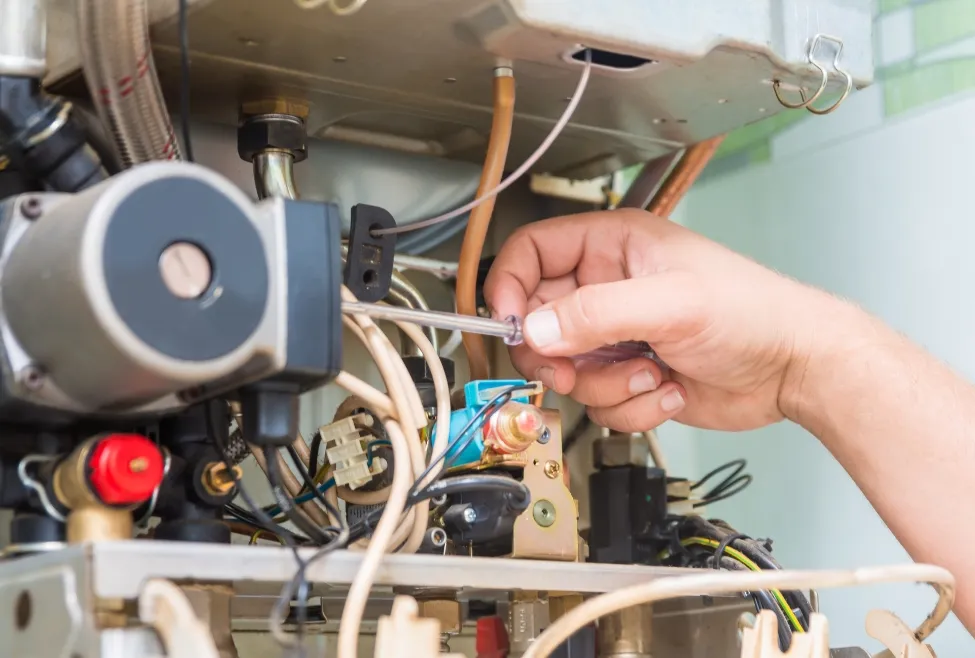
Sometimes the pressure switch only needs a small repair, while other times replacement is the best option. You may need repair if:
- Tubing is loose or damaged
- The venting system is blocked
- Moisture has entered the pressure line
- Dust is preventing the switch from closing
Replacement may be necessary when:
- The switch is old or worn out
- Electrical parts are damaged
- The inducer motor is failing and affecting pressure readings
- The switch fails multiple tests
If your furnace stops running consistently, consider scheduling help for Furnace repair and replacement in East Providence. An expert can inspect the entire HVAC system and restore proper heating.
Preventive Maintenance Tips to Avoid Pressure Switch Problems
Preventing pressure switch problems starts with regular HVAC care. Homeowners can reduce the risk of failure by following these tips:
- Replace air filters regularly
- Keep exterior vents clear of snow and debris
- Clean around the furnace to remove dust buildup
- Test the thermostat each season
- Schedule yearly tune ups with a trusted provider
Preventive maintenance protects the pressure switch, inducer motor, combustion chamber, and heat exchanger from unnecessary strain.
For reliable service and seasonal maintenance, homeowners in Rhode Island trust Acorn Oil for professional furnace care year round. You can explore more heating support through the Services page on the Acorn Oil website.
Frequently Asked Questions
1. What does a furnace pressure switch actually monitor
It monitors airflow inside the venting system to ensure safe exhaust movement before ignition.
2. Can a furnace run without a pressure switch
No. The furnace will not start without a functioning pressure switch because it protects the system from unsafe operation.
3. What are the symptoms of a failing pressure switch
Symptoms include repeated shutdowns, no ignition, error codes, and the furnace cycling without producing heat.
4. How much does it cost to replace a furnace pressure switch
Costs vary depending on the furnace model and the complexity of the repair. A technician can provide an exact estimate.
5. Is it safe to bypass a pressure switch temporarily
No. Bypassing the switch removes critical safety protections. Always address the underlying issue with professional help.