
A furnace is one of the most important parts of a home heating system, especially in colder areas like Rhode Island where reliable winter warmth is essential.
Whether you own a gas, electric, or oil furnace, understanding how the system works can help you maintain it better, avoid breakdowns, and make informed decisions about repairs or replacements.
In this guide, we explain everything from how a furnace operates to common issues and maintenance tips, so you can keep your home comfortable through the heating season.
What Is a Furnace? A Simple Definition
A furnace is a heating appliance that warms your home by heating air and distributing it through ducts. It works as the central part of a forced-air HVAC system and keeps indoor temperatures steady even during freezing weather.
Knowing what a furnace does helps homeowners manage heating costs, understand repair needs, and recognize early signs of problems, especially when exploring options like Rhode Island heating rebates & incentives that can make heating upgrades more affordable.
Key Points
- Heats and circulates warm air throughout the home
- Works as part of a central HVAC system
- Provides consistent indoor temperature control
How a Furnace Works: Key Components Explained
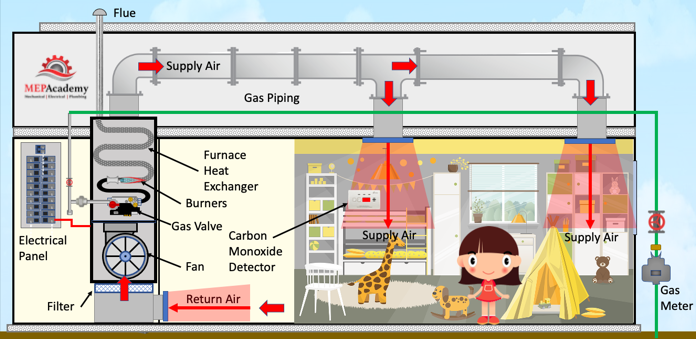
A furnace operates through a coordinated process involving several components that heat and distribute air efficiently. Each part plays a specific role, and if one stops functioning, the entire system can lose efficiency or stop producing heat.
Understanding the basics can help you troubleshoot simple issues before calling for help from a professional provider like Acorn Oil.
Main Components
- Thermostat: Signals when the furnace should turn on or off
- Burners or Heating Elements: Generate heat
- Heat Exchanger: Transfers heat safely to the air
- Blower Fan: Distributes warm air through ducts
- Air Filter: Removes dust and debris before air circulates
- Exhaust Vent: Safely carries combustion gases outdoors
Different Types of Furnaces Used Today
Homeowners have multiple furnace types to choose from, depending on fuel availability, heating needs, and budget.
Each type offers its own advantages and operating costs. Knowing these differences helps you decide which furnace can meet your home’s heating requirements efficiently.
Types of Furnaces
- Gas Furnaces: Powerful heating and strong efficiency
- Electric Furnaces: Low installation cost and quiet operation
- Oil Furnaces: Known for long-lasting heating power
- Propane Furnaces: Good option for rural areas without natural gas
Gas vs. Electric Furnaces: What’s the Difference?
Gas and electric furnaces are the two most commonly installed systems. Although both provide reliable heat, they differ in cost, maintenance needs, and performance.
Understanding these differences helps you choose the option that best fits your home, climate, and long-term expenses.
How They Compare
- Gas Furnaces: Faster heating and lower operating costs in cold climates
- Electric Furnaces: Easier installation and less maintenance
Benefits of Using a Furnace for Home Heating
Furnaces remain one of the most dependable ways to heat homes in the United States. They warm large areas quickly and maintain steady indoor temperatures throughout the winter.
Modern systems are also built with higher energy-efficiency standards, which help reduce heating bills.
Key Benefits
- Quick home heating
- Long system lifespan
- Compatible with central air conditioning
- Improved efficiency in newer models
Common Furnace Problems and Troubleshooting Tips
Like any heating equipment, furnaces can develop issues over time. Most problems start small, but if ignored, they can lead to expensive repairs. By spotting early symptoms, you can fix issues sooner and maintain safe, efficient heating.
Frequent Issues
- Furnace not heating
- Cold air blowing from vents
- Strange noises
- Short cycling
- Weak airflow
How to Choose the Right Furnace for Your Home
Every home has different heating needs, and choosing the right furnace ensures optimal performance and long-term savings. You should consider several factors before buying or upgrading a heating system, especially if you live in a cold region.
Factors to Evaluate
- Size of your home
- Budget and energy costs
- Fuel availability
- Energy efficiency rating
- Compatibility with your existing HVAC system
Furnace Maintenance Tips to Improve Efficiency
A well-maintained furnace runs more efficiently, lowers energy bills, and lasts longer. Consistent maintenance also helps improve indoor air quality by preventing dust buildup and ensuring clean airflow.
Helpful Tips
- Replace your air filter every 1 to 3 months
- Keep vents and ducts clean
- Schedule annual HVAC inspections
- Listen for unusual sounds
- Monitor your energy bill for sudden increases
Conclusion
A furnace plays a crucial role in keeping your home warm, safe, and comfortable during Rhode Island winters. By understanding how a furnace works, recognizing early signs of trouble, and following proper maintenance, you can extend the life of your heating system and maintain healthy indoor air quality.
If you need help with furnace maintenance, repairs, installation, or system upgrades, Acorn Oil offers reliable and professional HVAC services you can trust.
For expert furnace care or heating services, visit the Acorn Oil website or explore our professional Services page.
Frequently Asked Questions
1. What is the main purpose of a furnace?
A furnace heats and circulates air through your home to maintain a comfortable indoor temperature.
2. How long does a typical furnace last?
Most furnaces last 15 to 20 years, depending on maintenance and usage.
3. Which is better: gas or electric furnace?
Gas furnaces provide stronger heating and lower operating costs, while electric furnaces require less maintenance.
4. How often should I have my furnace serviced?
Annual professional maintenance is recommended for efficiency and safety.
5. What are the signs that my furnace needs repair or replacement?
Rising energy bills, strange noises, uneven heating, or frequent repairs are common red flags.