
As an HVAC and heating provider serving Rhode Island and nearby communities, we understand how important it is to choose the best gas furnace for home heating. Your furnace affects comfort, energy efficiency, indoor air quality, and long-term operating costs.
At Acorn Oil, we help homeowners make confident decisions by explaining heating systems in simple terms and providing reliable, local service backed by decades of experience.
If you’re evaluating natural gas heating options or planning to upgrade your existing furnace, this guide will walk you through the factors that matter most: how furnaces work, efficiency ratings, brand comparisons, system types, and professional considerations.
We also share insights from our own field experience to help you make the best choice for your home.
For expert help choosing or servicing a gas furnace, call us anytime at (401) 724-3498.
Understanding How Gas Furnaces Work for Home Heating
To determine the best gas furnace for home heating, it helps to understand how a gas furnace works and what can go wrong. A modern gas furnace is a key part of your home’s HVAC system, using natural gas as a fuel source that is sent into a burner where it ignites, so if you ever find yourself wondering, Why won’t my furnace ignite?, understanding this process can make troubleshooting much easier.
The heat passes through a heat exchanger, which warms the air while keeping combustion gases separate from your indoor air.
A blower motor pushes this warmed air through your ducts and into your living spaces. The thermostat controls the entire process, ensuring the system only runs when necessary.
Key components include:
- Heat exchanger
- Burner assembly
- Blower motor
- Ignition system
- Gas valve
- Control board
When functioning properly, a furnace provides an efficient and clean residential heating solution, but knowing why does my furnace smell like burning can be just as important for homeowners evaluating performance. Understanding these basics helps homeowners more effectively compare different furnace models, efficiencies, and operating stages.
Key Factors to Consider When Choosing the Best Gas Furnace
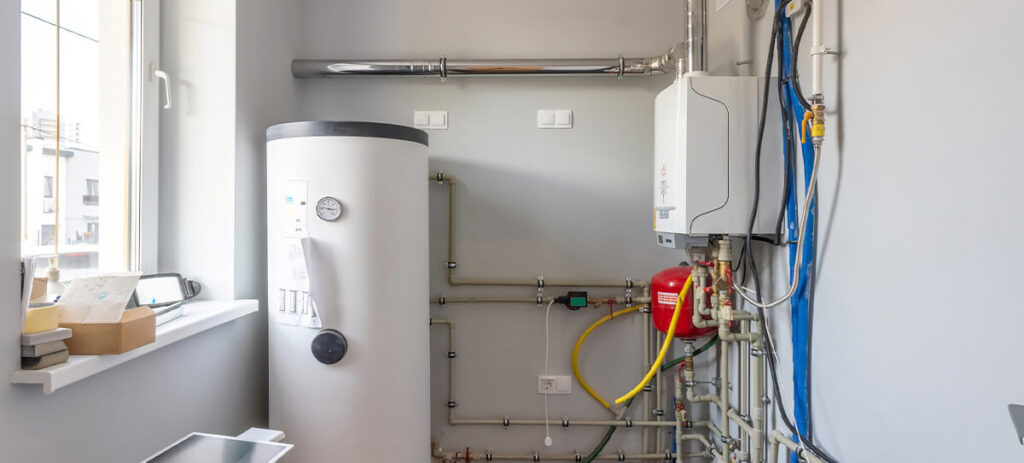
While every home is different, the following factors play a major role in selecting the best gas furnace for long-term comfort and value when buying a new furnace.
1. AFUE Rating (Efficiency)
The AFUE rating (Annual Fuel Utilization Efficiency) measures how efficiently the furnace converts fuel into heat. A higher number means better energy efficiency.
- Standard models: about 80% AFUE
- High-efficiency models: 90–98% AFUE
A high-efficiency heating system uses less energy and offers better long-term savings.
2. Furnace Size (BTU Output)
A furnace must be sized correctly based on your home’s square footage, insulation, layout, and climate. A unit that’s too small won’t heat effectively, while an oversized system short-cycles and wastes energy. We perform detailed calculations to determine proper BTU output for optimal performance.
3. Fuel Type and Venting
Most homeowners rely on natural gas heating, but venting needs differ between standard and high-efficiency furnaces. A professional evaluation ensures correct installation.
4. Noise Levels
Premium models offer quieter operation through insulated cabinets and advanced blower motors.
5. Installation Quality
Even the highest-efficiency furnace won’t perform properly without quality installation. Our professional service ensures your system operates safely and efficiently from the start.
Top Gas Furnace Brands for Reliable Home Heating
Many homeowners ask which brands offer the best gas furnace for home heating. While we stay brand-neutral to match each customer’s needs, our field experience has shown consistent performance from several well-known manufacturers.
Reliable furnace brands often offer:
- Strong warranties
- ENERGY STAR® certified models
- High-efficiency heating systems
- Durable heat exchangers
- Quiet, variable-speed blowers
Choosing a heating system that truly fits your home’s needs is far more important than focusing only on the brand. We help homeowners compare furnace options carefully to find the right balance of performance and cost, while also showing how they can apply for RI heating rebates & incentives to make their upgrade more affordable.
High-Efficiency Gas Furnaces: Are They Worth the Investment?
Homeowners often ask whether high-efficiency furnaces are worth the added cost. In many cases, they are, especially when considering long-term savings and improved comfort.
A high-efficiency heating system typically offers:
- AFUE ratings of 95% or higher
- Lower monthly energy costs
- Sealed combustion for improved safety
- More even temperature control
- Quieter operation
- ENERGY STAR® qualification
These systems also produce fewer emissions, creating a cleaner home heating solution. While the initial investment may be higher, energy savings help offset the cost over time. Our team can evaluate your home to determine whether a high-efficiency model is the best option.
Comparing Single-Stage, Two-Stage, and Modulating Furnaces
Understanding furnace stages helps you choose a system that matches your comfort needs.
- Single-Stage Furnace: A single-stage furnace runs at full capacity whenever it’s on. It’s cost-effective but offers the least precise temperature control.
- Two-Stage Furnace: A two-stage furnace operates at a lower capacity most of the time and switches to high output when needed. This provides better efficiency and more even heating.
- Modulating Furnace: A modulating furnace adjusts its heat output in small increments. It maintains the most consistent indoor temperatures and delivers top-tier efficiency.
For many homeowners, two-stage or modulating models represent the best gas furnace options for balanced comfort and energy savings, especially since components like the pressure switch help ensure safe, efficient operation behind the scenes.
Maintenance Tips to Keep Your Gas Furnace Running Efficiently
A well-maintained furnace lasts longer, operates more efficiently, and performs safely. While we do not recommend homeowners attempt repairs themselves, we stress the importance of scheduling routine professional maintenance.
Professional maintenance helps with:
- Inspecting the heat exchanger
- Ensuring proper airflow
- Testing system controls
- Checking for safe gas combustion
- Monitoring the ignition system
- Verifying accurate thermostat operation
For dependable furnace repair and replacement in Barrington, our team provides comprehensive service to keep your system running efficiently.
Final Verdict: Which Gas Furnace Is Best for Your Home?
So, what is the best gas furnace for home heating? The answer depends on your home’s specific needs. Factors such as proper sizing, insulation levels, ductwork condition, efficiency goals, and budget all play a major role in determining the right system.
Every home is different, which is why selecting the ideal furnace requires careful evaluation rather than a one-size-fits-all approach.
At Acorn Oil, we help you compare your options and choose a heating system that delivers long-term reliability, consistent comfort, excellent efficiency, safe operation, and smart energy savings. Whether you’re upgrading an older unit or exploring a new energy-efficient furnace, our experienced team is here to guide you through the process with clarity and confidence.
Choosing the best gas furnace for home heating takes trusted support and professional insight. Whether you’re planning a furnace upgrade, need help understanding your options, or are looking for guidance on tasks like How to reset furnace pilot light, our team is ready to assist. Call us at 401-724-3498 to get started, your comfort is always our priority.
Frequently Asked Questions
1. How do I know what size gas furnace my home needs?
Home size, layout, and insulation all affect furnace sizing. A professional assessment ensures accurate sizing and reliable heating. Contact us for guidance.
2. What AFUE rating should I look for in a high-efficiency gas furnace?
High-efficiency furnaces typically have AFUE ratings above 90%. We can help you choose the rating that fits your comfort and energy-saving goals.
3. How long does a typical gas furnace last?
A furnace’s lifespan varies depending on usage and maintenance. Regular professional care supports reliable performance. Reach out to us for an evaluation.
4. Are high-efficiency furnaces worth the extra cost?
High-efficiency furnaces often reduce fuel use and improve comfort. The best choice depends on your home’s needs. We can help you compare your options.
5. What is the best time of year to install a new gas furnace?
The ideal installation time depends on your home’s condition and heating needs. Our team can assess your situation and recommend the right timing.