
Choosing the right size furnace is one of the most important decisions you can make for your home comfort and energy costs. When the furnace is correctly sized, your home feels consistently warm, your energy bills stay under control, and your system lasts longer with fewer breakdowns.
At Acorn Oil, we help homeowners pair the right equipment with reliable fuel delivery and service, so the system works as it should for many seasons.
If you are unsure what size furnace your home needs, our team is ready to guide you with clear, professional advice and trusted local service. To schedule a consultation, call us at (401) 724-3498 today!
Why Choosing the Right Furnace Size Matters
When we talk about why choosing the right furnace size matters, we are really talking about comfort, costs, and system health. A furnace that is too small will struggle to keep up on cold days, while one that is too large will turn on and off too often and waste fuel.
The right furnace size helps you maintain steady temperatures in every room, prevent cold spots, and reduce unnecessary wear on your HVAC system. A properly sized, energy-efficient furnace works in balance with your ductwork system, thermostat, and fuel supply to give reliable comfort all winter long.
How Furnace Size Is Measured: BTUs Explained
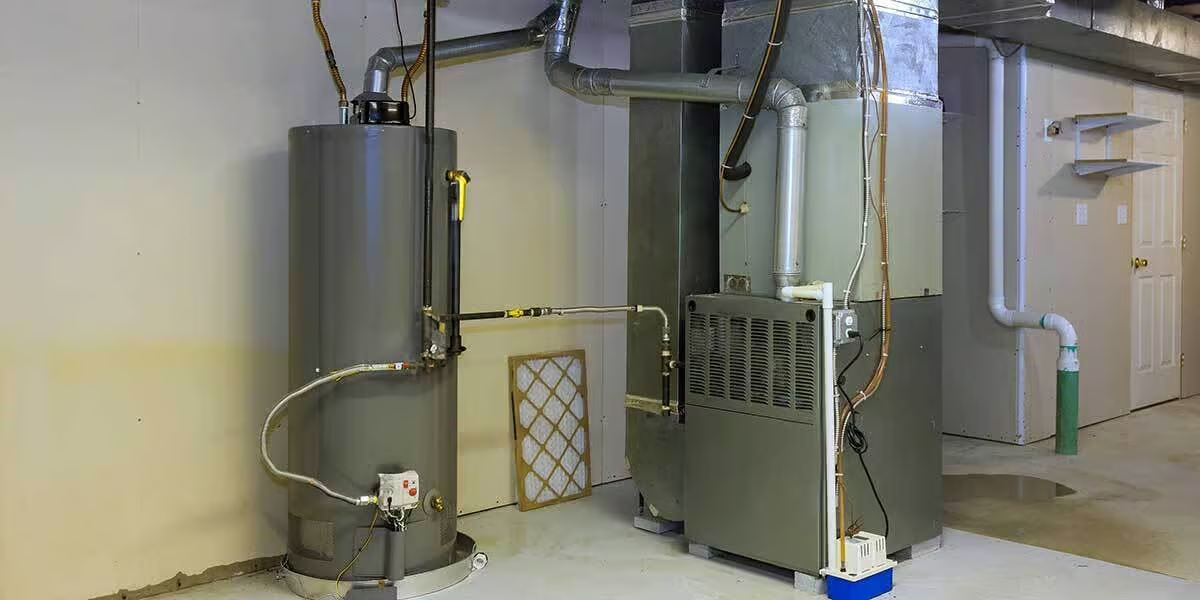
To choose the right size furnace, we look at British Thermal Units, commonly called BTUs. BTUs measure heat output capacity, or how much heat the furnace can deliver to your home in one hour. A higher BTU rating means more heating power, but more is not always better.
Your home’s BTU requirements depend on several factors, including the home’s size, layout, and efficiency. A professional heating load calculation considers these details instead of relying on a single “rule of thumb,” which can lead to an undersized or oversized furnace.
Factors That Determine the Furnace Size You Need
Many homeowners start with square footage, but that is only one piece of the puzzle. When determining the right furnace size for your home, we also look at several other important factors, including efficiency requirements, local codes such as the Rhode Island furnace installation permit, and how your home is built and insulated:
- Your home insulation levels in walls, attic, and floors.
- The number, size, and age of your windows and doors.
- The tightness of the building envelope (air leaks and drafts).
- The design and condition of the ductwork system.
- Whether you have other equipment such as a heat pump working with the furnace.
Together, these details affect how quickly your home loses heat and how much heat output capacity is needed to replace it. This is why two homes with similar square footage can require very different furnace size solutions.
Furnace Size Recommendations by Home Square Footage
Many online tools give rough furnace size recommendations by home square footage, but these are only starting points. The same 2,000 sq. ft. home can need different BTUs depending on age, build quality, and upgrades like new windows or added insulation.
As a fuel and comfort provider, we encourage using square footage as a guideline only, not a final answer. For a realistic recommendation, our team reviews how your home is built, your comfort concerns, and your energy goals before suggesting an approximate size furnace and matching it with the right fuel service.
Climate Zones and Their Impact on Furnace Sizing
Your local Climate Zone plays a major role in furnace sizing. Homes in colder regions require more BTUs to maintain a comfortable temperature, even when the square footage and insulation look similar to homes in milder climates.
This is why Climate Zones and their impact on furnace sizing must be part of any decision. Average low temperatures, wind exposure, and length of the heating season all affect your BTU requirements. Our team at Acorn Oil takes local weather patterns into account so that your energy-efficient furnace can keep up on the coldest days without oversizing the system.
Common Signs Your Furnace Is Undersized or Oversized
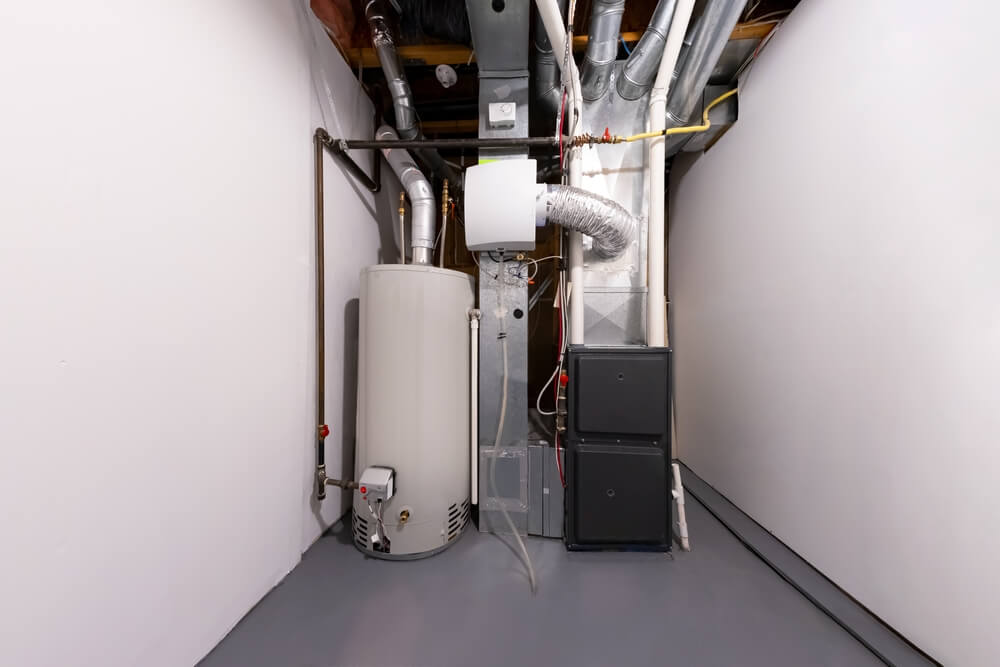
If you already have a system in place, common signs your furnace is undersized or oversized can help you decide whether to explore a different size furnace. Warning signs of an undersized furnace include:
- The system runs almost nonstop on cold days.
- Some rooms never feel truly warm, even with the thermostat turned up.
- Your energy bills seem high compared to the comfort you get.
An oversized furnace may show other issues:
- Frequent on-off cycling (short cycles) where the system runs for very short periods.
- Noticeable temperature swings, with rooms quickly getting warm and then cooling off again.
- Higher wear and tear on parts because the system stops and starts too often.
If you notice any of these patterns, it may be time to talk to our team about a better furnace size match for your home and fuel service.
How to Calculate Furnace Size for Maximum Efficiency
Homeowners often ask how to calculate furnace size for maximum efficiency. The most accurate method is a professional heating load calculation, often referred to as a Manual J calculation in the HVAC industry. This look at your home includes:
- Square footage and ceiling height.
- Insulation levels and construction materials.
- Window type, orientation, and shading.
- Air leakage and ventilation.
This more detailed HVAC sizing guide approach protects you from guessing or relying on oversimplified calculators. It also supports the performance of Energy Star-rated and other energy-efficient furnace systems by ensuring they are installed in the right application.
At Acorn Oil, we focus on helping you get maximum value from your heating equipment by supporting proper sizing and dependable fuel delivery through our services. You can learn more about what we offer on our Services page.
When to Consult an HVAC Professional for Sizing
There are several points in a home’s life when it is important to know when to consult an HVAC professional for sizing:
- When installing a new furnace or replacing an older, inefficient unit.
- After adding new insulation, replacing windows, or finishing basements and additions.
- When you experience comfort issues or rising fuel usage without a clear cause.
Instead of guessing the right size furnace, always talk to a trained professional who understands HVAC system design, heating load calculation, and local climate. Our team at Acorn Oil can connect you with experienced partners and support your fuel needs so the system delivers the designed heat output capacity reliably.
How Acorn Oil Supports Your Heating Comfort
As a local provider, we understand that the right furnace size is only one part of a dependable heating solution. Your system needs the correct fuel, delivered on time, with attention to safety and reliability.
When you work with Acorn Oil, you can expect:
- Guidance on aligning your HVAC system with reliable fuel supply.
- Support focused on comfort, efficiency, and long-term system performance.
- Local service from a company that values trust and long-term relationships.
If you are planning a new heating system, replacing an existing unit, or simply have questions about the size furnace your home might need, we invite you to connect with our team.
Ready to Choose the Right Size Furnace?
Selecting the correct size furnace is essential for comfort, safety, and energy efficiency, and it is not something that should be left to guesswork. With the right equipment, properly sized and supported by reliable fuel and service, your home can stay warm and efficient through every heating season.
If you are evaluating furnace options or planning a replacement, let Acorn Oil help you make a confident decision and ensure your heating system has the support it needs. Call us today at (401) 724-3498 to get started.
Frequently Asked Questions
1. How many BTUs do I need per square foot for a furnace?
BTU needs per square foot vary with your home’s layout, insulation, window quality, and local climate. The safest option is to have a heating professional review your home and provide a customized BTU recommendation.
2. What happens if my furnace is too big for my home?
An oversized furnace often heats too fast, shuts off, and restarts frequently, causing temperature swings and added wear on components. This usually means higher fuel use, more noise, and less overall comfort for your household.
3. Is a 60,000 BTU furnace enough for a 2,000 sq. ft. home?
A 60,000 BTU unit may work for some 2,000 sq. ft. homes, but it can be too small or too large for others. The right answer depends on insulation, window performance, air leakage, and climate, so a professional assessment is always recommended.
4. Does climate affect the furnace size I should choose?
Yes, climate strongly affects the furnace size you need because colder regions demand more heating power to maintain comfort. Since conditions vary widely, it is ideal to contact us so we can help you choose an appropriate system for your area.
5. Can I size my furnace myself, or do I need a professional HVAC assessment?
Furnace sizing involves many technical factors that go far beyond square footage, so doing it alone can easily lead to the wrong size choice. Always rely on a qualified HVAC assessment and reach out to us, so we can help coordinate the right solution.