
When it comes to home comfort and safety, even a small detail like the air filter in the furnace up or down can make a significant difference. Many homeowners are unsure which way their furnace air filter should face and worry about potentially damaging their heating and cooling system. At Acorn Oil, we take those concerns seriously and focus on helping you protect your equipment and maintain good indoor air quality professionally and safely.
In this comprehensive guide, we explain how to tell which way your furnace air filter should face, why airflow direction matters for furnace filters, and what to avoid so you do not risk damage to your HVAC system.
If you are ever unsure, the safest step is contacting our team at (401) 724-3498. To learn more about our services, get in touch with our trained specialists rather than attempting installation or adjustments on your own.
Why Airflow Direction Matters for Furnace Filters
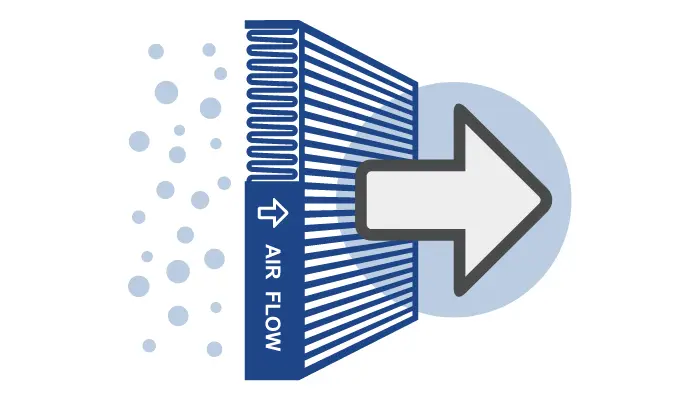
Understanding why airflow direction matters for furnace filters is the first step to protecting your home furnace and overall HVAC system. A filter installed facing the correct direction allows air to flow smoothly through the filter media, trapping dust, pollen, and other contaminants as intended. This results in better indoor air quality and protects critical internal components, keeping them cleaner for longer.
If the filter is backwards, it can restrict or unevenly divert airflow, causing strain on the air handler and reducing system efficiency. Over time, incorrect HVAC filter orientation may shorten equipment life and lower comfort levels.
For professional evaluation and service, it’s best to rely on licensed technicians who understand your system’s specific needs.
How to Tell Which Way Your Furnace Air Filter Should Face
Most furnace filters include a printed airflow arrow on their frame, which is the best indicator of correct placement. This arrow points in the direction that air should flow through the filter, which is toward the furnace blower or air handler, not toward the return duct. Your furnace filter arrow direction should align with the natural airflow path, from the air return, through the filter, into the furnace.
The direction also depends on your furnace type: in an upflow system, air flows upward so the arrow often points up, while in horizontal or downflow systems the arrow may point horizontally or downward.
Because configurations vary widely, if you are unsure, we recommend contacting us for personalized advice. Accurate installation is crucial to maintain your system’s efficiency and lifespan.
Understanding the Arrow on Your Furnace Filter
The arrow printed on the filter frame is designed to ensure correct HVAC filter orientation relative to your system’s airflow. This arrow should point toward the furnace or air handler, indicating the direction air moves through the filter.
If your filter slot is vertical, this often means the arrow points downward; if horizontal, the arrow points sideways into the furnace.
Since furnace layouts vary, relying solely on the printed arrow may cause confusion. We encourage you to contact the professionals at Acorn Oil for guidance so the arrow aligns properly with your specific heating and cooling system layout, reducing misplacement risk.
Furnace Filter Types and Their Correct Orientation
There are many furnace filter types and their correct orientation depends not just on the arrow but also on thickness, construction, and MERV rating. Filters with higher MERV ratings provide finer filtration but may increase airflow resistance if not matched with your HVAC system design.
Some furnaces require specific sizes and filter grades to maintain safe furnace airflow direction and efficient operation. Using a seemingly fitting filter not compatible with your system can cause compromised performance or greater strain. Our team at Acorn Oil can recommend filters that meet your system’s needs and help you achieve optimal indoor air quality.
What Happens if You Install a Furnace Filter Backwards?
Installing a furnace filter backwards can reduce filtration effectiveness, permit more dust into your system, and increase resistance for the blower. Over time, this added stress can reduce the HVAC system’s lifespan and increase energy costs. The exact impact depends on the filter, system design, and duration installed incorrectly.
Because every furnace reacts differently, if you suspect incorrect installation, it is best to contact Acorn Oil. Our experts will assess your system and recommend safe, effective corrective steps to safeguard your equipment and comfort.
How Often Should You Replace Your Furnace Filter?
The recommended schedule for replacing your furnace filter varies based on the filter type, system usage, and environmental conditions in your home. Typically, basic 1-inch filters need changing every 1 to 3 months, while thicker or pleated filters can last 3 to 6 months.
Factors like pets, dust levels, and how often your HVAC system runs can influence this timeline.
To determine the most effective replacement schedule for your specific situation, we encourage you to consult with the professionals at Acorn Oil, who will tailor a maintenance plan suited to your home’s unique needs and ensure optimal indoor air quality and system performance.
Tips to Improve HVAC Efficiency with Proper Filter Placement
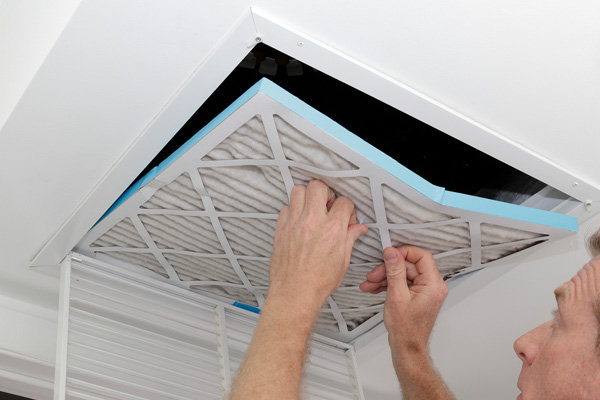
Maintaining the correct filter orientation plays a strong role in your HVAC system’s efficiency. Correct placement ensures steady airflow across the furnace airflow direction, allowing components like the blower and heat exchanger to operate optimally.
Regular professional inspections can identify issues related to air filter placement and airflow direction early. Rather than guessing whether your filter supports or impairs efficiency, rely on Acorn Oil to provide thorough evaluations and recommendations that keep your home furnace safe, efficient, and comfortable.
Why Professional Guidance Matters for Filter Installation
Although installing a furnace filter may seem simple, many important factors affect the correct orientation beyond the printed arrow. These include your duct layout, furnace model, filter size and type, and air return duct positioning. Incorrect filter placement can reduce airflow, comfort, and even shorten your system’s life.
Instead of risking mistakes, connect with Acorn Oil. We take a comprehensive view of your equipment and provide customized guidance that preserves your investment and ensures consistent home comfort.
How Acorn Oil Supports Your Heating System Maintenance
At Acorn Oil, we make heating system maintenance reliable and hassle-free. Whether you have questions about filter direction, airflow, or overall system care, we provide clear and professional advice and service options.
Our goal is to empower you with the knowledge needed for the right decisions without risking system damage. Trust Acorn Oil to keep your heating and cooling system running efficiently through every season. Call (401) 724-3498 for expert service and support.
Frequently Asked Questions
1. How do I know which direction the air filter goes in my furnace?
The correct direction depends on your furnace’s layout and filter type. Contact Acorn Oil for personalized guidance that ensures proper installation without risk.
2. What happens if I put my furnace filter in the wrong way?
Outcomes can differ widely by system. For your safety and optimal performance, contact our experts instead of making assumptions or adjustments yourself.
3. Does the arrow on the air filter point toward the furnace or away from it?
The arrow aligns with airflow toward the furnace or air handler, but exact directions depend on your system. Confirm the correct placement with our experts now!
4. Can installing a furnace filter backwards damage my HVAC system?
Effects vary by installation, filter, and system. To avoid potential damage, consult with us to ensure that your HVAC system is properly maintained.
5. How often should I change my furnace air filter for best performance?
The replacement interval depends on many factors. Acorn Oil can help create a schedule tailored to your home’s needs for sustained comfort and efficiency.