
When temperatures drop, few things cause more stress than discovering your heating system is not responding. If you’re asking, “Why is my furnace not working?”, the cause can range from thermostat issues to airflow problems or ignition failures.
At Acorn Oil, we know how important a reliable heating system is for your home. Our goal is to educate, guide, and help you understand what may be affecting your furnace while offering trusted solutions that protect your comfort.
As an experienced local provider serving Rhode Island homes, we blend real-world expertise with dependable service. Below, we break down the common reasons your furnace stops working, signs you should never ignore, and when it’s time to reach out to our HVAC team for professional support.
If your furnace isn’t turning on or blowing warm air, you can always call us at 401-724-3498 for tailored services.
Common Reasons Your Furnace Stops Working
Understanding why a furnace stops working helps you react quickly and avoid unnecessary discomfort. Several HVAC system issues can interrupt heat production. These include thermostat miscommunication, blocked airflow, ignition failures, or power interruptions.
While every situation is different, most heating issues can usually be traced back to a core component like the air filter, pilot light, blower motor, heat exchanger, or gas valve, often leading homeowners to ask questions such as how much is a furnace blower motor replacement when troubleshooting their system. At Acorn Oil, we work with homeowners every day to diagnose these problems safely and professionally.
How to Diagnose a Furnace That Won’t Turn On
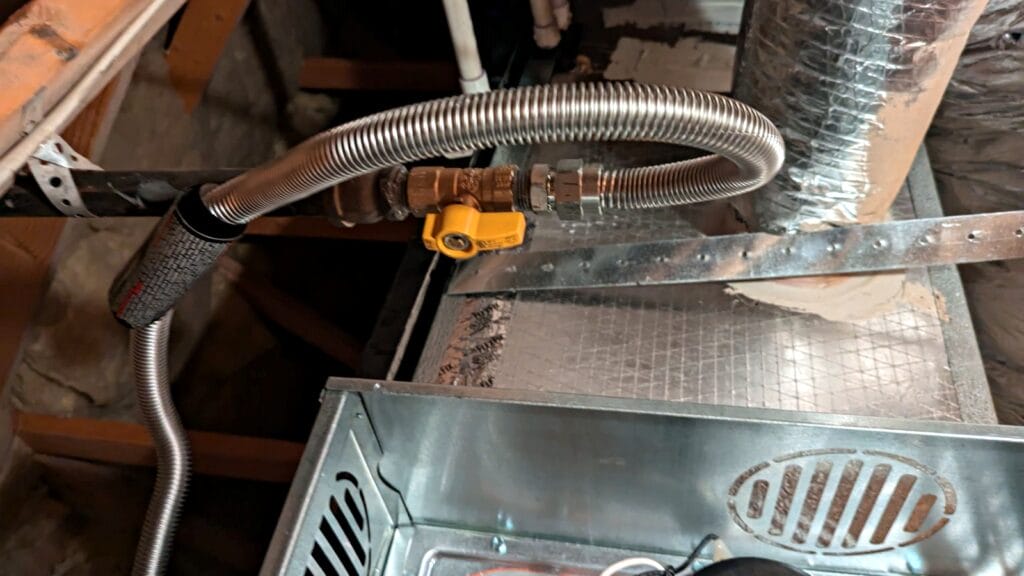
If your furnace won’t turn on, the source is often simpler than it seems. Sometimes the heating system is receiving the wrong signal or is unable to complete its startup cycle due to internal restrictions.
A professional HVAC technician will evaluate the entire system, including electrical supply, airflow pathways, ignition controls, thermostat communication, and essential safety switches. This process ensures accurate, safe troubleshooting without the risks associated with DIY repairs.
If you experience repeated furnace shutdowns or inconsistent performance, we recommend visiting our Services page to learn how our team can assist you, and you can also explore information on Rhode Island furnace rebates & incentives while reviewing your heating upgrade options.
Thermostat Issues That Can Affect Furnace Performance
Your thermostat is the control center of your heating system. If it malfunctions, your furnace may not receive the correct instructions to heat your home.
Common thermostat-related concerns include:
- Wrong temperature readings
- Internal communication errors
- Signal delays
- Power or wiring issues
These issues can make it seem like the furnace not working is a system failure, even when the root cause is a thermostat miscommunication. A thermostat issue should always be evaluated by a trained HVAC professional to ensure your system operates efficiently and safely.
Airflow Problems: Filters, Vents, and Blockages
Restricted airflow is one of the most frequent causes of a furnace not heating properly. Your HVAC system needs free, unobstructed airflow to generate and distribute warm air.
Typical airflow problems include:
- A dirty air filter blocking circulation
- Closed or obstructed supply vents
- Build-up in return ducts
- Blower compartment obstructions
When the system cannot breathe, it may overheat and shut down for safety. Homeowners often notice: weak airflow, longer heating cycles, or no warm air at all.
Any airflow-related problem should be handled by a qualified HVAC technician from Acorn Oil, especially if it occurs repeatedly.
Ignition System and Pilot Light Troubleshooting
If your furnace uses a pilot light or electronic ignition, issues with these components can stop the system from firing up. Signs of furnace ignition problems include:
- The pilot light won’t stay lit
- Repeated clicking noises without startup
- The furnace shuts off right after ignition
- The gas valve fails to open
Ignition problems are often linked to faulty flame sensors, burners, or internal safety controls, all of which involve gas operation and should only be inspected by trained HVAC professionals—especially since improper handling can lead to repairs that rival the cost of buying and installing a new furnace if the issue is ignored or worsens over time.
Electrical and Power-Related Furnace Failures
Your heating system relies on a consistent power supply. If it loses power, your furnace won’t turn on or may cycle unpredictably.
Electrical-related issues include:
- A tripped circuit breaker
- Loose internal wiring
- Faulty blower motor
- Control board interruptions
Any electric issue within your HVAC system requires professional handling to ensure safety and prevent further system damage.
When to Call a Professional HVAC Technician
Some furnace concerns are clear signs that professional attention is needed. These include:
- Repeated shutdowns
- Sudden loss of heat
- Unusual noises
- Burning or metallic odors
- Frequent power cycling
- Pilot or ignition failure
Working with a certified HVAC technician keeps your system safe and prevents more serious problems. If your furnace shows any of these signs, our team is ready to help. We also support homeowners looking for furnace repair and replacement in Smithfield, with services tailored to reliable and efficient home heating.
How to Prevent Your Furnace From Failing Again
The best way to avoid furnace problems is with routine heating system maintenance. Ongoing care supports system performance, reduces wear, and protects components such as the heat exchanger, blower motor, and ignition controls.
Maintenance helps:
- Improve airflow
- Increase efficiency
- Reduce breakdowns
- Extend system lifespan
At Acorn Oil, we offer trusted heating services designed to keep your home comfortable throughout the cold season.
Conclusion
Your home’s comfort relies on a furnace that operates safely, consistently, and efficiently. If you’re noticing uneven heat, unusual noises, or asking, “Why is my furnace not working?”, the issue may be related to airflow restrictions, thermostat communication, ignition system concerns, or electrical interruptions.
At Acorn Oil, we bring extensive heating experience and a commitment to dependable service. Our team understands how important a reliable furnace is, and we are here to provide expert support whenever your system shows signs of trouble.
If your furnace is struggling, not turning on, or failing to keep your home warm, we’re ready to assist. You can also call us at 401-724-3498 for prompt and trusted heating assistance. Let us help keep your home warm, safe, and comfortable throughout the season.
Frequently Asked Questions
1. Why is my furnace not turning on even though the thermostat is set correctly?
A furnace may not start if the system is not receiving the correct signal, if airflow is restricted, or if an internal component is preventing startup. For accurate evaluation, contact us now!
2. What should I check first when my furnace stops working?
Several factors may cause a furnace to stop working, including thermostat issues or system restrictions. A professional should assess the system to identify the source safely.
3. Do dirty air filters really cause a furnace to stop heating?
Restricted airflow from a clogged filter can lead to overheating or shutdown. A professional HVAC inspection can determine if this is affecting your system’s performance.
4. When is it necessary to call an HVAC professional for furnace repair?
If your furnace repeatedly shuts down, makes unusual noises, or fails to heat, it is best to have an HVAC technician inspect the system to prevent further issues.
5. How often should I maintain my furnace to prevent breakdowns?
Regular maintenance helps reduce unexpected furnace failures. Our qualified HVAC professional can recommend the right schedule based on your system’s needs.