
A furnace that will not run often leads homeowners to ask how to relight furnace pilot light systems safely. When the pilot light goes out, the furnace cannot ignite, which means no heat during cold Rhode Island weather.
Relighting the flame is usually simple, but it is important to know the proper steps and safety precautions before attempting it.
This guide explains why pilot lights go out, how to relight them correctly, and when to call an HVAC technician if the flame does not stay lit.
What a Furnace Pilot Light Is and How It Functions
Before you relight furnace pilot light components, it helps to understand what the pilot light does. The pilot light is a small flame inside a natural gas furnace that ignites the burner when the thermostat calls for heat. It sits near the ignition system and is controlled by a gas valve.
Older furnaces typically rely on a manual pilot light, while many newer systems use an automatic ignition system. Understanding which type your furnace has is often the first step when diagnosing why your furnace not working, as it helps narrow down the most likely causes and solutions.
Common Reasons a Furnace Pilot Light Goes Out
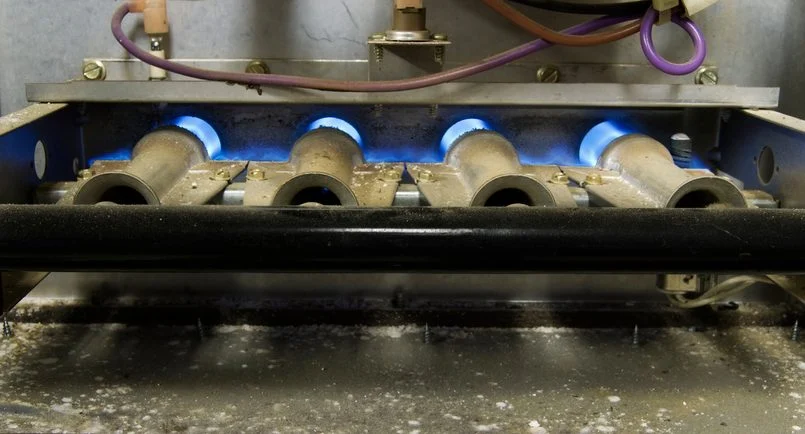
Pilot lights can go out for many reasons. Some causes are simple and harmless, while others signal an issue that needs attention.
Common reasons include:
- A draft blowing out the flame
- A dirty thermocouple
- A weak gas supply
- Dust on the burner assembly
- A failing ignition system
- A control knob that was not fully turned to the correct setting
If your furnace keeps losing its flame, it may be time to schedule help for Furnace repair and replacement in providence.
Safety Steps to Take Before Relighting Your Pilot Light
Safety should always come first when dealing with natural gas furnaces, and if you are unsure about handling it yourself, it may be wise to schedule a furnace tune-up in Rhode Island with a professional. Before attempting to relight the pilot light on your own, make sure you follow these important precautions.
1. Turn off the furnace completely
Shut off power and allow the heating system to rest for a few minutes.
2. Check for a gas smell
If you smell gas, do not relight the pilot. Leave the home and contact a professional immediately.
3. Locate the gas valve control
Make sure you can access the control knob safely without leaning into the furnace.
4. Clear the area
Remove dust and ensure nothing flammable is nearby.
Following these steps helps protect your home, ensures a safer relight process, and can also guide homeowners who are researching What is the best gas furnace for home heating as part of maintaining an efficient and reliable system.
How to Locate the Pilot Light on Your Furnace
Most natural gas furnace pilot lights are found near the burner assembly. Look for a small metal tube leading to the ignition area. Beside it, you will usually find:
- A control knob labeled Off, Pilot, and On
- A thermocouple that senses the flame
- A small opening where the flame burns
The furnace manufacturer’s instructions usually include a small diagram that shows where the pilot light is located, especially if you are dealing with a high-efficiency furnace in Rhode Island. If you still cannot find it, contacting Acorn Oil for support is a good next step.
Step-by-Step Guide to Relighting a Furnace Pilot Light
Once everything is safe, follow these relight instructions to restart the pilot flame.
Step 1: Turn the control knob to Off
Leave it off for at least 30 seconds to clear any leftover gas.
Step 2: Turn the knob to Pilot
This allows gas to flow only when you press the control.
Step 3: Press and hold the knob
Holding it releases gas to the pilot opening.
Step 4: Ignite the flame
Use a long lighter or igniter. Keep holding the knob while the flame lights.
Step 5: Keep holding the knob for 20 to 30 seconds
This allows the thermocouple to heat up and confirm the flame is stable.
Step 6: Release the knob slowly
If the flame holds steady, switch the knob to the On setting.
Step 7: Restart the furnace
Turn the thermostat to Heat and confirm the furnace begins its ignition sequence.
If the flame goes out again, move to troubleshooting or call an HVAC technician.
What to Do If the Pilot Light Will Not Stay Lit
A pilot light that refuses to stay lit usually signals an issue with the thermocouple, gas supply, or ignition system.
Possible causes include:
- A dirty thermocouple unable to sense heat
- A cracked thermocouple that cannot stay engaged
- Low gas pressure in the gas supply line
- Dust buildup around the burner
- A faulty control knob
- A damaged ignition system
If these issues persist, the safest option is to schedule professional service. Your furnace may require repair or cleaning before it can run safely again.
When to Call a Professional HVAC Technician
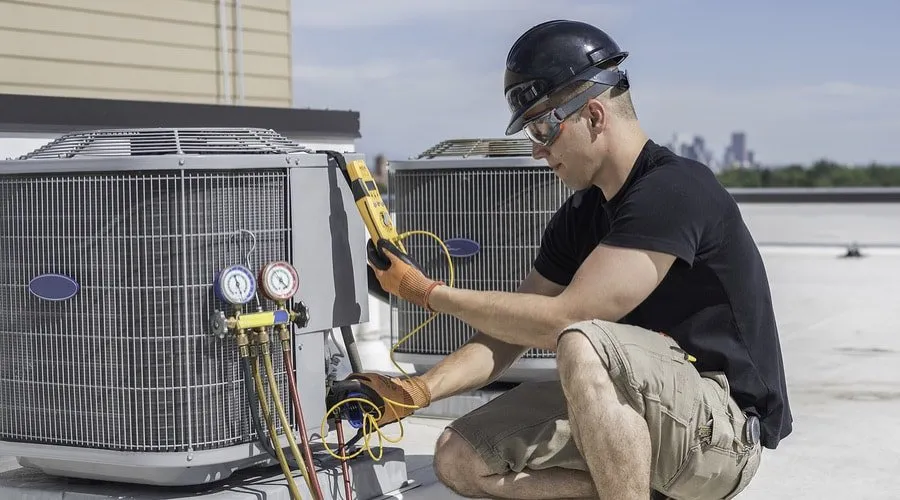
While many homeowners can relight furnace pilot light systems on their own, there are times when it is safer to call a technician.
Contact a professional when:
- You smell gas while trying to relight the pilot
- The flame goes out repeatedly
- The control knob is stuck or not functioning
- The thermocouple looks damaged or corroded
- The furnace refuses to ignite even with a stable flame
- You are unsure how to locate or access the pilot light
A trained HVAC technician can inspect the ignition system, gas valve, thermocouple, and safety controls to ensure your home heating system is safe to use.
Rhode Island homeowners can rely on Acorn Oil for help with troubleshooting and furnace repairs. You can explore more solutions through the Services page.
How to Prevent Future Pilot Light Issues
Preventing pilot light problems is easier when you take care of the furnace regularly. These simple HVAC maintenance tips help keep your system running smoothly.
1. Clean around the furnace often
Dust can block airflow and affect ignition.
2. Replace the air filter
Good airflow supports proper furnace operation.
3. Schedule yearly tune ups
A technician can inspect the burner assembly and ignition system.
4. Protect the furnace from drafts
Cold drafts often blow out the pilot flame.
5. Check the thermostat
Faulty thermostat settings can interfere with the furnace ignition system.
Routine maintenance helps ensure everything, from basic components to more technical elements like furnace pressure switch work functions properly, reducing the risk of unexpected heat loss and minimizing the likelihood of costly emergency repairs.
To stay ahead of heating problems, consider professional care from Acorn Oil or explore furnace solutions through the Services page. If your furnace is older or having repeated ignition issues, you may benefit from Furnace repair and replacement in providence.
Frequently Asked Questions
1. Is it safe to relight my furnace pilot light myself
Yes, as long as you follow safety steps and do not smell gas. Stop immediately if you sense danger.
2. Why does my furnace pilot light keep going out
Drafts, dirty thermocouples, weak gas flow, and ignition issues are common reasons.
3. How do I know if my furnace has an automatic or manual pilot light
Check your furnace manufacturer label or look for a control knob. Automatic systems do not use manual pilot flames.
4. What should I do if I smell gas while trying to relight the pilot light
Stop immediately, leave the area, and call a professional. Do not relight the furnace.
5. When should I call an HVAC professional instead of relighting it on my own
If the flame will not stay lit, the furnace will not ignite, or you are unsure how to proceed, it is safer to call a technician.